

The next phase of AI application development may not be defined by writing better code, but by removing the need to write code at all. Tuya Smart has launched Tuya AI Coding, an AI-native no-code application development platform designed to let users create AI-powered lifestyle applications through natural language prompts. Unlike many AI app generators focused primarily on creating digital interfaces, Tuya’s platform aims to connect generated applications with physical devices, cloud services, and real-world IoT environments.
Tuya AI Coding Expands AI App Generation Into the Physical World
AI software development is entering a new stage where the ability to generate an application is becoming only the starting point. The emerging challenge for enterprises and creators is whether those applications can operate beyond a screen — connecting with devices, managing data, and delivering practical experiences.
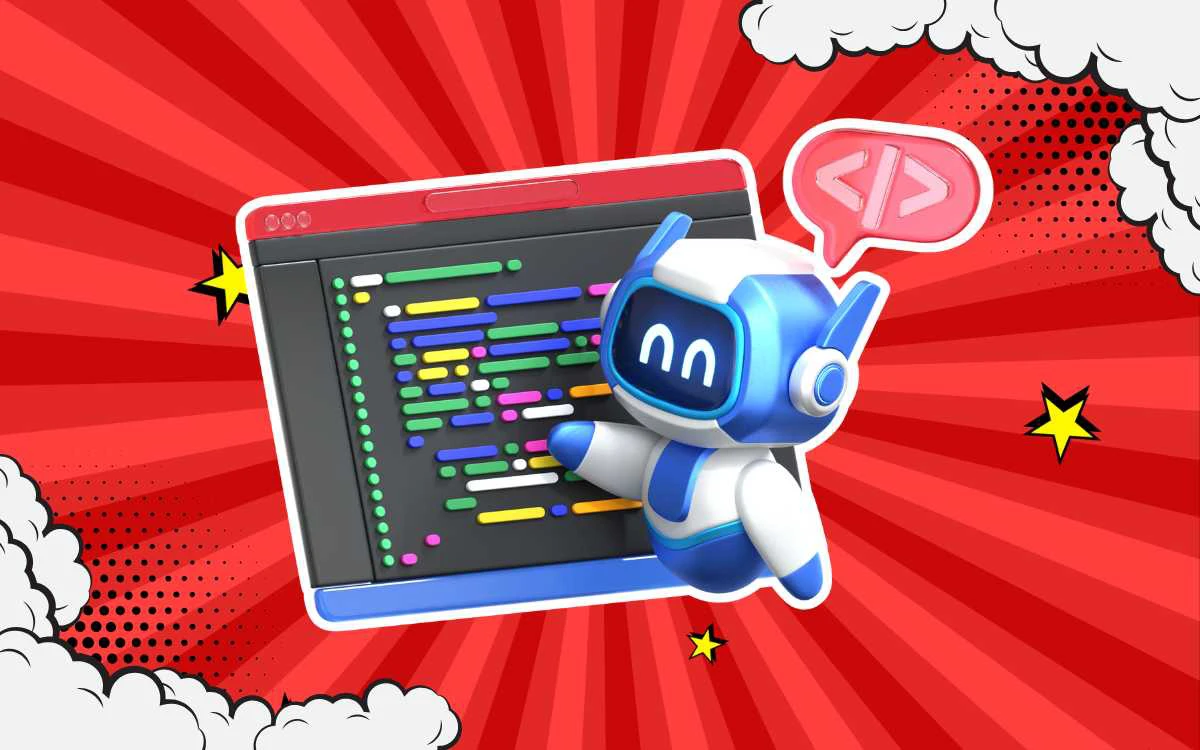
That shift is at the center of Tuya Smart’s latest launch: Tuya AI Coding, an AI-native no-code application development platform that allows users to describe an application idea, feature requirement, or interface concept using natural language and generate a deployable AI application.
The platform is designed to move AI development beyond simple webpage generation. Users can create applications that include backend infrastructure, user management, device connectivity, and cloud-based capabilities without traditional software engineering workflows.
The announcement reflects a broader industry transition toward AI-native development platforms, where large language models (LLMs), automation frameworks, and cloud infrastructure increasingly replace traditional coding barriers.
According to Gartner, AI-native application development platforms are becoming a major strategic technology trend, with low-code and no-code approaches expected to influence a significant share of new application development. This trend is being accelerated by enterprises looking to reduce development cycles while enabling more employees to participate in software creation.
From AI-Generated Interfaces to Connected AI Experiences
Many current AI coding assistants and app-generation platforms focus on generating front-end experiences, prototypes, or basic software components. Tools from ecosystems such as Microsoft, Google, and Amazon have pushed AI-assisted development into mainstream enterprise workflows.
However, generating an interface is different from building a fully operational application.
Tuya AI Coding attempts to address this gap by combining AI application generation with Tuya’s existing AI + IoT infrastructure. The platform integrates device connectivity, cloud services, and data intelligence capabilities into the development process.
When users submit a prompt, the system is designed to generate more than visual layouts. It can automatically create supporting components such as databases, API gateways, authentication systems, and device management functions.
This approach positions Tuya AI Coding closer to an AI application infrastructure layer rather than a simple AI website generator.
The company says the platform connects with Tuya’s global cloud ecosystem, which supports smart device deployments across more than 200 countries and regions, along with access to a large hardware ecosystem covering more than 100,000 device SKUs.
For developers and businesses building smart home, lifestyle, and connected device experiences, this integration could shorten the path from concept development to market deployment.
Lowering the Barrier for Non-Technical Creators
One of the biggest opportunities in AI-native development is expanding software creation beyond traditional engineering teams.
Tuya AI Coding targets designers, product managers, entrepreneurs, freelancers, and students who may have ideas for AI-powered products but lack programming expertise.
The platform uses conversational development, allowing users to refine applications through natural language instructions. A creator could adjust interface elements, add features, or modify application behavior through prompts rather than manual coding.
The system also includes templates for different scenarios, real-time previews, cross-platform compatibility, and one-click deployment capabilities.
For enterprise teams, this model could change how innovation projects are tested. Instead of waiting weeks or months for development resources, product teams may be able to rapidly prototype AI experiences and validate concepts before investing in full-scale engineering.
Competing in the Growing AI Development Platform Market
Tuya enters a market where technology companies are competing to define the future of AI-powered software creation.
Enterprise platforms from Salesforce, Adobe, Microsoft, and Google are increasingly embedding generative AI into business applications, automation workflows, and developer tools. Meanwhile, emerging AI coding platforms are competing around speed, usability, and integration capabilities.
Tuya’s differentiation is its connection to physical-world applications.
While many AI development platforms focus on digital workflows, Tuya is positioning AI application generation around smart devices, IoT services, and connected environments. This strategy aligns with broader industry movement toward AI agents and autonomous systems that can interact with real-world data sources.
Market research firm McKinsey & Company has highlighted that generative AI adoption is expanding rapidly across industries, with organizations increasingly exploring AI applications that automate workflows and create new digital experiences.
For enterprises, the next competitive advantage may come from platforms that combine AI models, cloud infrastructure, and real-world data ecosystems.
What Enterprise Teams Should Watch
The launch of Tuya AI Coding highlights a larger transformation in software development: the shift from coding applications manually to describing desired outcomes and allowing AI systems to assemble the required components.
For enterprise technology leaders, these platforms could reduce experimentation costs, accelerate digital product development, and allow non-technical teams to contribute directly to innovation.
The long-term question will be whether AI-native development platforms can maintain security, scalability, governance, and reliability as adoption expands.
As AI moves from generating text and images into controlling connected environments, platforms that bridge software intelligence with physical infrastructure may become increasingly important.
Tuya AI Coding represents one example of this emerging category — where AI application development is no longer limited to creating software, but extends into creating intelligent experiences that interact with the world.
Market Landscape
The AI application development market is moving from developer-focused automation toward broader enterprise creation platforms. Companies including Microsoft, Google, Amazon, Salesforce, and Adobe are investing heavily in AI-assisted development, workflow automation, and enterprise AI infrastructure.
The competitive landscape is increasingly divided into three categories:
- AI coding assistants: Tools that help developers write, debug, and optimize software.
- AI application builders: Platforms that generate applications from prompts or visual workflows.
- AI-native ecosystem platforms: Solutions that combine models, cloud infrastructure, APIs, data, and connected devices.
Tuya’s strategy falls into the third category by combining AI development capabilities with IoT infrastructure.
Top Insights
- Tuya AI Coding enables prompt-based AI application creation, helping non-technical creators and enterprises develop connected lifestyle applications faster.
- The platform extends AI app generation beyond interfaces by integrating cloud services, device connectivity, APIs, and IoT infrastructure.
- AI-native development platforms are becoming a major enterprise trend as organizations seek faster software innovation cycles.
- Tuya differentiates from traditional AI builders by connecting generated applications with physical devices and real-world environments.
- Product teams, entrepreneurs, and smart device companies may benefit from faster experimentation through no-code AI development workflows.
Power Tomorrow’s Intelligence — Build It with TechEdgeAI