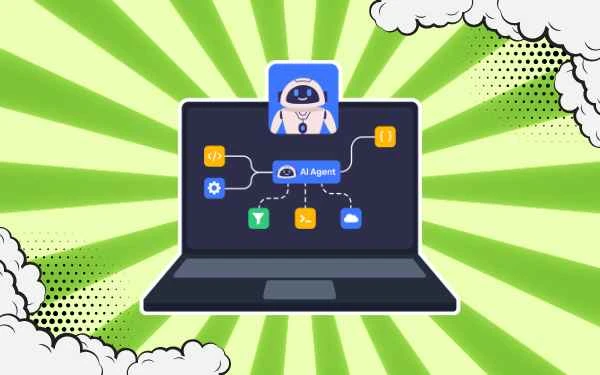









Artificial intelligence is becoming a critical layer in modern cybersecurity, helping organizations detect threats, automate security operations, and respond faster to emerging risks. But as AI adoption expands, cybersecurity leaders are increasingly focused on a new challenge: ensuring these systems remain transparent, accountable, and trustworthy. NuSummit Cybersecurity’s decision to become a Founding Signatory of the CREST AI Charter highlights the growing industry focus on responsible AI governance in security operations.
NuSummit Cybersecurity Commits to Responsible AI Through CREST Charter
The cybersecurity industry is entering an AI-driven transformation, but organizations are discovering that successful adoption depends on more than technical capability. Security teams increasingly need AI systems that can be explained, governed, and aligned with human decision-making.
NuSummit Cybersecurity has joined this movement by becoming a Founding Signatory of the CREST AI Charter, a framework designed to encourage responsible AI practices across the cybersecurity sector.
Through the commitment, NuSummit will align its AI-enabled cybersecurity services with CREST’s Nine Principles for AI-Enabled Activities, focusing on areas including governance, security controls, human oversight, transparency, and accountability.
The announcement reflects a broader shift across the cybersecurity ecosystem. As enterprises integrate artificial intelligence into security operations centers (SOCs), threat intelligence platforms, vulnerability management systems, and incident response workflows, questions around trust and responsible deployment are becoming central to technology decisions.
“Clients don’t just want AI, they want AI that is accountable,” said Anantharaman Sreenivasan (Ganesh), Managing Director and Group CEO at NuSummit. “As we embed AI deeper into our cybersecurity offerings, we treat governance and human oversight as non-negotiable.”
Responsible AI Becomes a Cybersecurity Priority
AI is increasingly being used across cybersecurity environments to analyze large volumes of security data, identify suspicious activity, detect anomalies, and support faster incident response.
Security vendors and enterprise teams are deploying AI capabilities for tasks such as:
- Automated threat detection
- Security event analysis
- Malware and vulnerability identification
- Threat intelligence enrichment
- Security workflow automation
- AI-assisted incident response
However, cybersecurity organizations face unique challenges when deploying AI systems. Security decisions often involve sensitive data, regulatory requirements, and high-impact operational choices.
Poorly governed AI systems can introduce risks including inaccurate recommendations, data exposure, lack of explainability, and overreliance on automated decisions.
This has created demand for responsible AI frameworks that combine technological innovation with strong governance practices.
Industry leaders including Microsoft, Google, and IBM have also increased investment in AI security, AI governance, and responsible deployment frameworks as enterprises scale artificial intelligence adoption.
CREST AI Charter Addresses Growing Governance Challenges
The CREST AI Charter provides cybersecurity organizations with principles for developing and delivering AI-enabled services responsibly.
The framework emphasizes that AI should enhance cybersecurity capabilities while maintaining professional standards, human expertise, and operational accountability.
For cybersecurity providers, this approach is becoming increasingly important as customers evaluate AI solutions not only on performance but also on reliability and trust.
NuSummit’s participation positions the company among organizations advocating for structured AI governance within the cybersecurity community.
Sameer Shelke, President Americas and Cybersecurity Services Head at NuSummit and CEO of NuSummit Cybersecurity, said responsible AI requires balancing innovation with transparency, governance, and human expertise.
“AI is changing cybersecurity, but trust will determine how successfully organizations adopt it,” Shelke said.
Enterprise Security Teams Look for Trusted AI Adoption
The cybersecurity market is experiencing rapid AI adoption as businesses face increasingly sophisticated threats. Research from organizations such as Gartner and IDC has highlighted growing enterprise investment in AI-powered security platforms and automation technologies.
For security leaders, the challenge is no longer whether AI should be used, but how it should be deployed safely.
Responsible AI practices can help organizations answer critical questions:
- How are AI recommendations generated?
- Who remains accountable for security decisions?
- How is sensitive security data protected?
- How can organizations verify AI performance?
These considerations are becoming particularly important as enterprises adopt AI-powered security operations platforms that influence threat prioritization and response actions.
The Future of AI-Enabled Cybersecurity
NuSummit’s participation in the CREST AI Charter reflects a larger industry movement toward trusted AI adoption.
Cybersecurity organizations are increasingly recognizing that AI effectiveness depends on combining automation with human expertise. Rather than replacing security professionals, responsible AI strategies focus on augmenting analysts with faster insights and improved operational efficiency.
As cyber threats continue to evolve, AI will likely become a core component of enterprise security infrastructure. However, organizations that successfully scale AI will be those that establish clear governance models, maintain human oversight, and build confidence among customers and security teams.
The next phase of cybersecurity AI will not be defined only by smarter algorithms. It will be defined by whether organizations can trust the systems protecting their digital environments.
Market Landscape
The cybersecurity AI market is evolving around three major themes:
- AI-powered security operations: Security teams are using AI to automate monitoring, detection, and response activities.
- Responsible AI governance: Enterprises are demanding transparency, explainability, and accountability from AI security solutions.
- Human-AI collaboration: Security professionals are increasingly using AI as an intelligence multiplier rather than a replacement for expertise.
Major technology companies including Microsoft, Google, IBM, Cisco, and NVIDIA are investing in AI cybersecurity capabilities as organizations seek stronger protection against increasingly complex threats.
Top Insights
- NuSummit Cybersecurity joins the CREST AI Charter to promote responsible AI adoption across cybersecurity services and operations.
- The commitment emphasizes governance, transparency, security, and human oversight as AI becomes embedded in security workflows.
- Enterprise cybersecurity teams are prioritizing trustworthy AI systems that improve threat detection without reducing accountability.
- AI governance frameworks are becoming essential as organizations deploy automated security technologies at scale.
- The future of cybersecurity AI will depend on balancing automation with human expertise and operational control.
Power Tomorrow’s Intelligence — Build It with TechEdgeAI