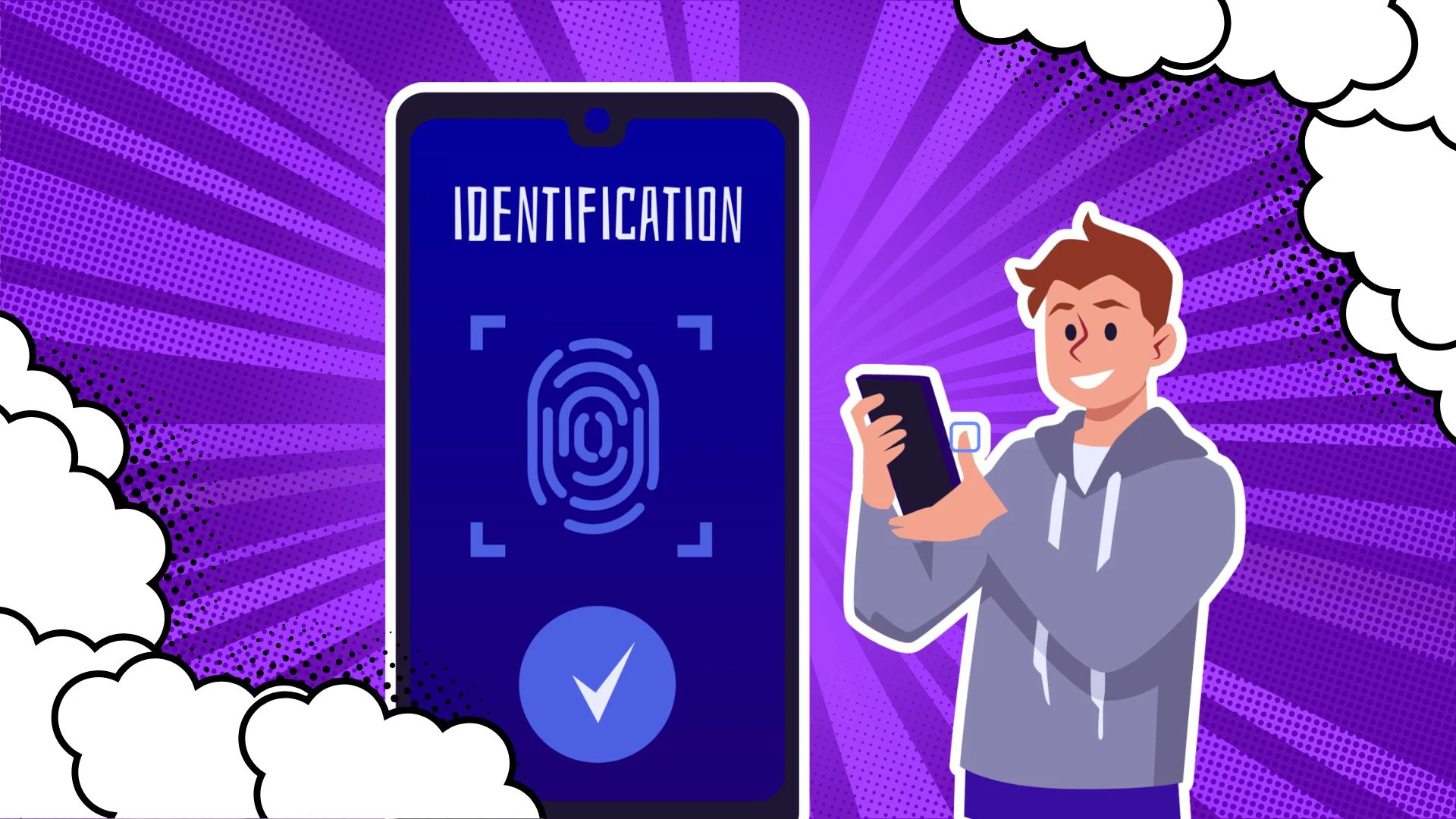
An employee logs into a company platform to review client data. There’s no password to remember and no long verification process. Instead, the system quietly checks patterns in the background, how the person types, where they are logging in from, and whether the device matches past activity.
That’s where AI is beginning to reshape how authentication works. Instead of relying on one-time checks, AI evaluates signals such as behavior, device data, and login patterns to confirm a user’s digital identity.
This article explains how AI is transforming digital identity.
Why Organizations Are Turning to AI for Digital Identity Authentication
With digital interactions on the rise, organizations are turning to AI for digital identity authentication.
1. Better User Experience Without Compromising Security
Businesses want authentication systems that protect accounts without frustrating users. This is because AI allows for the introduction of security measures only when necessary.
Example: In a bank’s mobile app, regular users can access the app without interruptions, while a first-time user is asked to provide identification.
2. Scalability for Growing Digital Platforms
As digital platforms continue to grow over other geographies, they need to authenticate users in various parts of the world. This can be achieved using AI digital identity solutions.
For instance, an e-commerce company can utilize AI to authenticate new users from various parts of the world, depending on their identification requirements.
3. Stronger Identity Insights Over Time
Another advantage of using AI on digital platforms is that it can learn and become better over time. This allows it to effectively authenticate users and detect suspicious activity.
For instance, a digital platform can learn and recognize normal activities performed by employees, thus enabling them to detect suspicious activities.
4. Reduced Operational Workload
Some identity verification systems require manual verification, which can be a tedious and costly process. AI can perform document verification, facial recognition, and data verification.
Example: An online marketplace has new sellers onboard and can utilize AI for identity verification instead of sending an application to a review team.
The Real Cost of Identity Authentication, and How AI Can Lower It
Businesses can reduce costs and enhance user experience by implementing AI-based digital identity authentication.
1. The Hidden Expenses of Identity Theft and Fraud
Inadequate digital identity authentication can cause identity theft, account takeover, and unauthorized transactions, which can be expensive for businesses.
Example: For online businesses that only use password-based digital identity authentication, account takeover is always a threat. The AI system can be used to improve digital identity authentication.
2. Compliance Requirements Add Pressure
Financial, healthcare, and telecommunication sectors have stringent regulations for identity verification. These regulations place additional pressures on businesses because they require additional verification steps to be added.
Example: A fintech company must deal with KYC regulations and use AI to carry out document verification, face recognition, and database verification.
3. Scalability Challenges Raise Infrastructure Costs
As the organization grows, the identity verification system should be able to handle the load of new users registering or trying to access the system.
Example: A global online service expanding into new markets may face a huge number of new user sign-ups. AI-powered digital identity systems can process authentication requests helping scale without increasing operational costs.
Why AI Will Define the Next Decade of Digital Identity Authentication
The role of AI in the future of digital identity authentication will be substantial with the increase in the number of digital interactions.
‘Trend 1: Password less Authentication Will Become the Norm
Passwords are hard to manage, with the risk of phishing attacks. AI will help replace them that evaluate multiple signals to confirm a user’s digital identity.
Example: A corporate collaboration platform allows employees to log in using biometric authentication combined with AI-based behavioral checks.
Trend 2: Continuous Authentication Will Replace One-time Checks
The concept of continuous authentication will also emerge with the help of AI, where the digital identity of the users will be authenticated based on the behavior patterns that are carried out during the session.
For example, a cloud service provider uses AI to monitor the activities carried out by the users after the login process. In case of any suspicious data access or use of new devices, the system prompts the users for further checks.
Trend 3: Digital Identity Ecosystem Will Become Intelligent
AI will enable organizations to develop a better digital identity ecosystem that is capable of learning from historical data and becoming accurate in its authentication process.
Example: The security platform will develop behavioral profiles for employees, and the AI will be able to identify patterns and easily detect compromised credentials.
Trend 4: Behavioral Authentication Will Gain Adoption
AI will enable the adoption of behavioral authentication; the system will analyze how a user behaves around a digital system, such as how it types, moves a mouse or navigates an app.
Example: A banking app will use AI to monitor how a customer normally navigates the app on a mobile device, and if there is a change in behavior, it will trigger a verification process.
Conclusion
As companies reassess their identity strategies, the role of AI will be an integral part of the digital identity model. Organizations that adopt AI today will be better positioned to protect digital experiences, retain customer trust, and thrive in the connected world.