









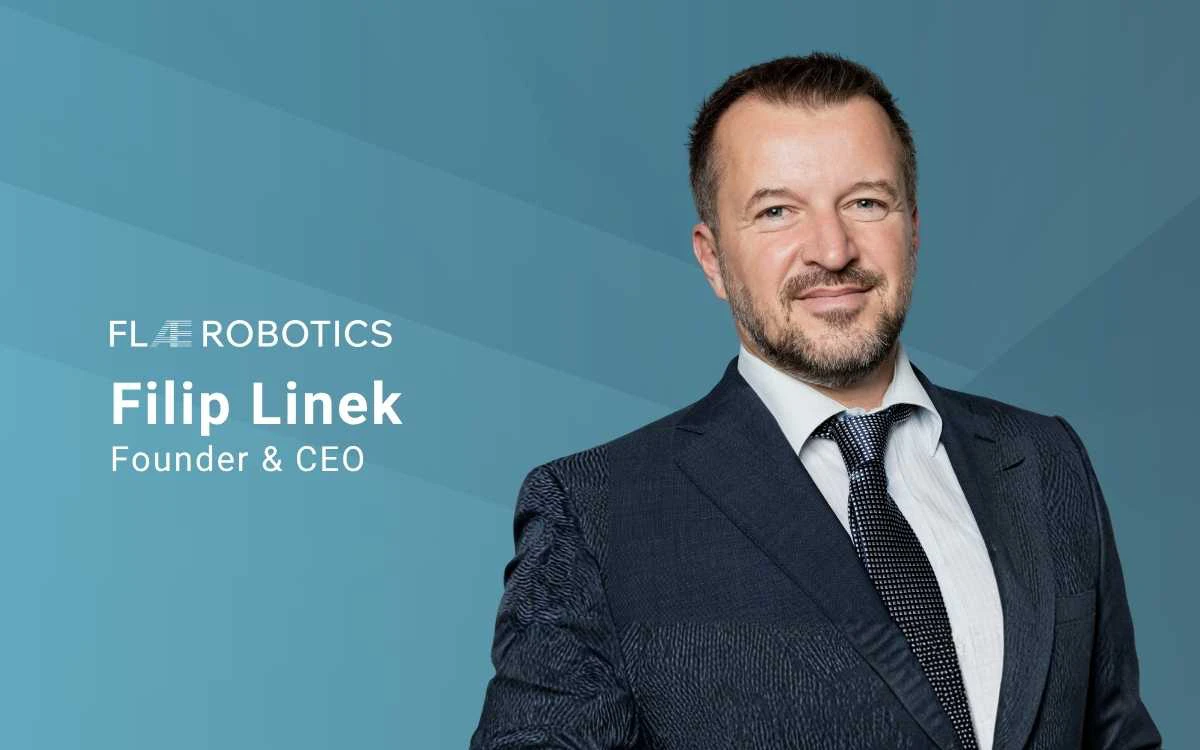
Filip Linek, Founder & CEO, FLAE Robotics
Hotels are losing staggering amounts of money as up to 30% of inbound guest calls vanish into busy signals and voicemails, amid severe front‑desk staffing shortages affecting 65% of properties. Night‑audit teams, often reduced to a skeleton crew of one or two staff, are left scrambling through check‑ins, security rounds, PMS reconciliations, and cross‑time‑zone enquiries on a single shift. Late‑night spikes from international callers quickly overwhelm even the most capable teams, while travellers still reach for the phone when booking complex group itineraries, last‑minute changes, or multi‑stay packages that legacy systems struggle to manage.
Into this gap has stepped a new wave of AI‑driven front‑desk platforms, designed to answer every call and web chat around the clock, shepherding guests from inquiry to confirmation without a single human handoff. These systems blend natural language processing with real‑time integration into property management technology and rule‑based logic, tackling thorny booking questions that would stall an understaffed desk. Early adopters report conversion rates lifting by a third, turning what were once quiet, unprofitable night shifts into a measurable revenue stream and reshaping how hotels think about service, staffing, and the 24‑hour guest journey.
How AI‑Powered Front Desks Work
AI front desk systems like Flae Robotics’ BE-A tackle hotel staffing shortages and night shift pressures by seamlessly managing bookings across phone and web channels without human intervention. These platforms integrate directly with property management systems (PMS) and central reservation systems (CRS), enabling real-time reservation creation, modification, and cancellation based on live availability, dynamic rate rules, and individual guest history to deliver personalized offers.
On websites, they power intelligent chat interfaces that guide users through the same workflows, converting browsers into confirmed reservations around the clock. This eliminates the need for overnight staff to juggle calls and lobby duties, scales instantly to demand surges, and captures revenue that bare-minimum crews would otherwise miss.
Over the phone, they can handle natural conversations in dozens or even hundreds of languages, fielding high-volume inquiries about check-in times, parking, amenities, and policies while simultaneously processing complex bookings.
The most advanced AI systems don’t just deflect calls. They complete them. That distinction drives immediate revenue, unlike calls that may convert later. Consistency gives AI its clearest edge over human staff. Performance, tone, and knowledge remain consistent across all shifts, delivering equal service at 2 am or 2 pm. For international properties, multilingual support unlocks native-language interactions without specialized overnight staff. This eliminates a key operational bottleneck while expanding global reach.
There is also a data advantage. AI systems generate structured insights from every interaction, revealing patterns in guest behavior, common inquiries, and booking drivers. This data can inform pricing, marketing, and operational decisions in ways that manual processes cannot.
Key capabilities include:
● Real-time reservation booking and modification.
● Integration with PMS and CRS.
● Context-aware responses based on availability, rate rules, and guest history.
● Multilingual support across dozens, sometimes hundreds, of languages.
● Handling of high-volume, repetitive inquiries such as check-in times, parking, amenities, and policies.
New AI phone answering technology goes beyond conventional chatbots. It drops predefined scripts, understands context, asks clarifying questions, and carries out real actions like processing bookings during live calls.
This technology handles complete guest interactions from start to finish. It creates and confirms reservations by selecting dates and rooms while calculating prices on the fly. It amends or cancels bookings in real time, factoring in conditions and fees. Language detection activates automatically for natural, human-like conversations. Calls transfer seamlessly to live receptionists with full context intact, sparing guests the repeat rundown. Every interaction generates searchable records, transcripts, and agreed terms to streamline follow-up and operations.
AI Frees Staff for Guest Focus
Despite widespread fears, AI is not wiping out hotel front desks. Instead, it redistributes the workload. Around 70-90% of front desk interactions involve repetitive tasks such as answering standard queries, checking availability, and processing routine bookings that AI handles efficiently, freeing staff for high-value work like guest recovery, personalized service, and on-property experiences.
This shift matters most for brand identity. With online booking increasingly commoditized, in-person encounters drive loyalty. AI lets hotels direct human effort where it counts.
Compliance offers another edge. Programmed to follow brand guidelines exactly, AI delivers consistent messaging, upsells, and policy explanations across properties and regions, easing training burdens.
How AI Is Redefining the Future of Hospitality
AI is shifting from a back‑office support tool to the central technology layer powering modern hospitality operations. By automating low‑touch, high‑volume tasks, like bookings, cancellations, night‑audit workflows, and guest queries, conversational AI lifts the burden of 24/7 coverage off human teams and keeps hotels running smoothly at all hours. Tightly integrated with PMS, CRM, and dynamic‑pricing systems, AI turns raw data into real‑time commercial decisions, boosting occupancy, smoothing revenue flow, and sharpening responsiveness. For staff, that means shifting from manual admin to higher‑value, guest‑centric roles, particularly during off‑peak periods, once seen as a cost. In this new operating model, AI is no longer just a cost‑saver; it’s the core technology platform redefining how hotels deliver seamless, always‑on guest experiences and competitive advantage in the years ahead.