





As enterprises race to build AI-powered applications, a familiar problem is slowing them down: everything that happens after the code is written.
Wipro Limited and Harness are betting they can fix that. The two companies have announced a strategic collaboration aimed at accelerating AI-native software delivery by combining Wipro’s agent-driven platform with Harness’ AI-powered delivery stack.
The goal is straightforward—but ambitious: make software delivery faster, more reliable, and easier to govern in an increasingly AI-first enterprise environment.
The “After Code” Problem
AI is speeding up software development. Generative tools can now write code, generate tests, and even suggest architectures.
But delivery pipelines haven’t kept pace.
Enterprises still rely on fragmented toolchains, manual approvals, and siloed workflows for building, testing, deploying, and managing applications. The result is what Harness calls the “AI velocity paradox”—innovation is accelerating, but delivery complexity is growing just as fast.
That’s the gap this partnership is trying to close.
Combining WEGA With Harness’ Delivery Engine
At the center of the collaboration is Wipro’s WEGA platform, part of its broader Wipro Intelligence suite, paired with Harness’ AI Software Delivery Platform.
Together, they aim to create a more unified delivery pipeline that covers:
- Build and test automation
- Deployment and release orchestration
- Feature management
- Incident response and reliability monitoring
- Cloud cost optimization
The idea is to move away from stitched-together DevOps tools toward a more integrated system where AI helps manage the entire lifecycle after code creation.
From DevOps to “Agent-Native” Delivery
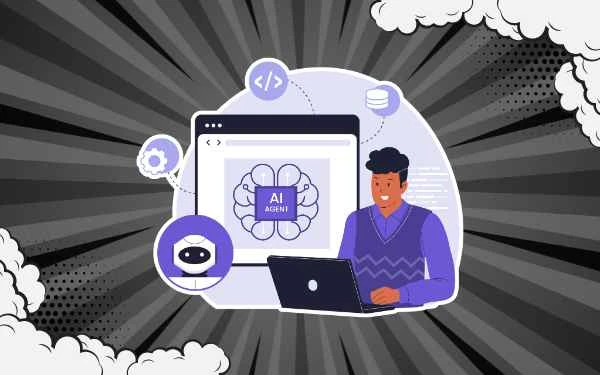
Wipro is positioning WEGA as an “agent-native” platform—meaning AI agents play an active role in managing delivery workflows, not just assisting developers.
That includes automating releases, identifying risks before deployment, and optimizing performance in real time.
It’s part of a broader shift from traditional DevOps pipelines to AI-driven delivery systems, where decision-making is increasingly handled by intelligent agents rather than human operators.
Vendors across the ecosystem—from GitHub to Atlassian—are pushing similar ideas, embedding AI deeper into development and delivery workflows.
Why Governance Is Front and Center
Speed is only half the equation.
As AI-generated code becomes more common, enterprises are under pressure to maintain control over security, compliance, and operational risk. That’s especially true in regulated industries where deployment mistakes can have significant consequences.
The Wipro–Harness partnership emphasizes governance as a core feature, not an afterthought—offering visibility into performance, reliability, and risk across the delivery pipeline.
That’s a notable shift from earlier DevOps models, which often prioritized speed over control.
A Consulting-Led AI Delivery Model
Like many enterprise AI initiatives, this isn’t just about technology.
Wipro brings consulting, implementation, and global delivery capabilities to the table—helping organizations redesign processes and integrate new tools into existing environments.
Harness, meanwhile, provides the platform layer that ties those processes together with automation and intelligence.
It’s a familiar enterprise playbook: combine software with services to drive adoption and ensure outcomes.
The Bigger Picture
This partnership reflects a broader transformation in how software is built and delivered.
AI is reshaping development, but it’s also exposing weaknesses in downstream processes—testing, deployment, monitoring, and cost management.
Fixing those bottlenecks is becoming a priority as organizations look to scale AI initiatives beyond pilot projects.
The companies that can streamline this “last mile” of software delivery may end up defining the next phase of enterprise DevOps.
The Bottom Line
Wipro and Harness are targeting one of the most overlooked challenges in the AI era: turning faster development into faster, safer delivery.
By combining agent-native platforms with AI-driven delivery tools, the partnership aims to bring order to increasingly complex software pipelines.
If successful, it could help enterprises move from experimenting with AI to actually shipping it—at scale, and without losing control.
Power Tomorrow’s Intelligence — Build It with TechEdgeAI