







TruKKer Middle East is modernizing its logistics technology platform by migrating workloads to Tencent Cloud’s Saudi Arabia infrastructure and adopting CodeBuddy, the cloud provider’s AI-powered software development assistant. The initiative combines localized cloud computing with AI-assisted coding and DevOps workflows to support the digital freight network’s operations across the Middle East and North Africa (MENA). The migration is intended to reduce latency, improve application responsiveness and support Saudi Arabia’s data residency requirements, while CodeBuddy will assist engineers with code generation, reviews, testing and deployment-related tasks.
Cloud Localization Meets Logistics Workloads
TruKKer connects shippers and carriers through a digital freight platform that supports freight matching, dispatch, tracking and settlement. The company says its network includes more than 75,000 trucks and over 1,200 enterprise customers across sectors including fast-moving consumer goods, retail, automotive, construction and energy. Its operations span Saudi Arabia, the United Arab Emirates and neighboring markets. PR Newswire
For a logistics platform operating around the clock, cloud infrastructure is part of the operational backbone rather than simply a place to host applications. Freight matching and shipment tracking depend on timely data exchange among customers, carriers and internal systems. Slow responses or service interruptions can affect dispatch decisions and visibility across the delivery process.
Migrating workloads to Tencent Cloud’s Saudi Arabia Region is intended to bring infrastructure closer to the company’s regional operations. Lower network latency can improve responsiveness for workloads that depend on frequent exchanges between applications and databases, although actual gains will depend on system architecture, traffic patterns and the migration design.
Local infrastructure may also help TruKKer address data residency requirements in Saudi Arabia. However, hosting workloads in a local cloud region does not by itself establish full regulatory compliance. Organizations must also assess data classification, access controls, backups, disaster recovery, security policies and any requirements that apply to particular data types or business operations.
Tencent Cloud’s role in the project spans cloud computing, storage, networking, databases and AI capabilities. The companies have not disclosed the volume of workloads being migrated, a completion date, the specific applications involved or measured improvements in latency and reliability. Those details will be needed to evaluate the migration’s operational impact.
CodeBuddy Adds AI Assistance Across Development
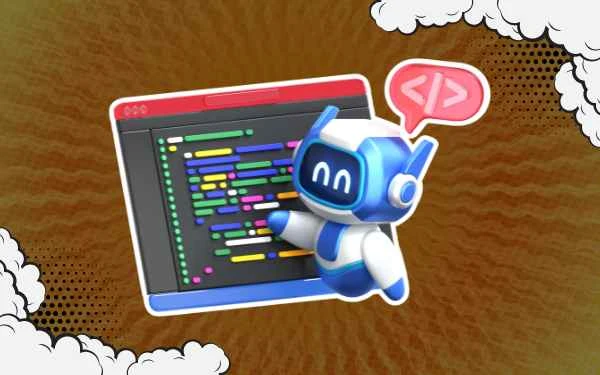
The second part of the initiative focuses on engineering productivity. TruKKer is adopting CodeBuddy to assist developers with code generation, code reviews, pull-request analysis and CI/CD workflow optimization. The announced use cases also include test generation, configuration updates, deployment validation and incident troubleshooting. PR Newswire+1
Tencent Cloud describes CodeBuddy as an AI-assisted development tool covering work from initial planning and coding through debugging and deployment. Its documented capabilities include code completion, intelligent code review, unit-test generation and support for agent-based development workflows. Tencent Cloud+1
In practice, AI coding tools can reduce the effort involved in repetitive engineering tasks and help teams investigate unfamiliar code or produce initial implementations. In a logistics platform, these capabilities could help engineers iterate on integrations, internal services and operational tooling more efficiently.
But AI-generated code still requires oversight. Developers need to verify correctness, security, performance and compatibility with existing systems. Generated tests may miss edge cases, while automated configuration or deployment changes can create risks if they are applied without appropriate checks. For a freight network supporting time-sensitive operations, code review, testing and rollback procedures remain important controls.
TruKKer has not disclosed quantified productivity improvements, deployment-frequency changes or defect-rate results from its adoption of CodeBuddy. The current announcement describes the capabilities being introduced and the company’s intended benefits, rather than reporting measured outcomes.
DevOps Transformation Becomes an Enterprise AI Use Case
The partnership reflects a broader direction in enterprise AI: organizations are deploying AI not only in customer-facing products, but also inside the engineering processes used to build and maintain those products.
CodeBuddy’s role in TruKKer’s environment is to assist work across the software development lifecycle, while the cloud migration provides the underlying infrastructure for its logistics platform. Combining these initiatives could help engineering teams move from writing and reviewing code toward more integrated workflows involving testing, deployment and operational troubleshooting.
The key measure of success will be how well the tools fit into existing development practices. Enterprises adopting AI coding assistants must consider access to proprietary code, data handling, software licensing, security review, developer training and governance over AI-generated changes. Integrating an assistant into a CI/CD process also requires clear boundaries between recommendations and actions that can affect production systems.
For Tencent Cloud, the deal provides a customer example connecting regional cloud infrastructure with AI-enabled software engineering. It also reinforces the company’s efforts to serve enterprises in Saudi Arabia as organizations invest in digital services and locally hosted workloads.
For TruKKer, the potential value lies in improving the technical foundation behind its freight network without sacrificing reliability as operations scale. Whether the initiative delivers faster releases, fewer incidents or lower operating costs will depend on implementation and results that the companies have yet to disclose.
Market Landscape
Enterprise cloud modernization increasingly involves more than moving applications between hosting environments. Companies must also address regional data requirements, application responsiveness, operational resilience and the engineering processes needed to maintain digital services.
Tencent Cloud is combining its Saudi Arabia infrastructure with CodeBuddy, positioning cloud localization and AI-assisted development as complementary parts of TruKKer’s modernization strategy. The approach reflects two enterprise technology priorities: placing workloads in suitable regional environments and applying AI to repetitive software engineering tasks.
The competitive challenge is execution. Cloud migration can introduce complexity, and AI coding assistants do not automatically improve software quality or delivery speed. TruKKer will need to validate performance, preserve security controls and measure engineering outcomes to demonstrate the partnership’s business impact.
Top Insights
- Regional cloud migration: TruKKer plans to move workloads to Tencent Cloud’s Saudi Arabia Region to support responsiveness, reliability and local data residency requirements.
- AI-assisted engineering: CodeBuddy supports code generation, reviews, testing and deployment-related workflows as part of TruKKer’s DevOps transformation.
- Large logistics footprint: TruKKer says its digital freight network includes more than 75,000 trucks and over 1,200 enterprise customers.
- Operational impact remains unmeasured: The announcement provides intended benefits but no quantified results for latency, deployment speed, developer productivity or service reliability.
- Combined modernization strategy: The initiative brings regional infrastructure and AI development tooling together, with implementation quality and governance likely to determine its value.
Power Tomorrow’s Intelligence — Build It with TechEdgeAI