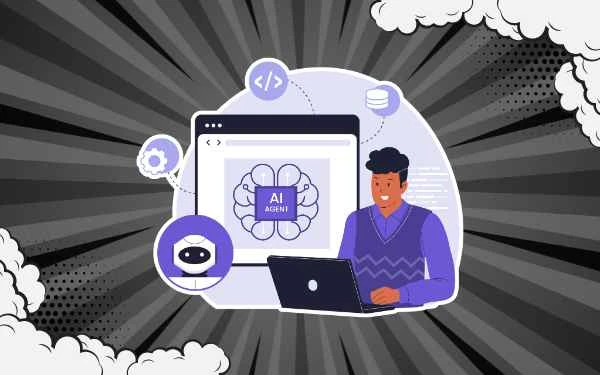









Security teams are increasingly using artificial intelligence assistants to analyze threats, automate workflows, and accelerate decision-making, but critical defensive intelligence often remains trapped inside disconnected security platforms. Tidal Cyber is addressing this gap by extending its Threat-Led Defense platform into AI assistants and agentic workflows already used by security teams, allowing organizations to access threat intelligence, coverage analysis, and defensive recommendations through governed AI interactions.
Tidal Cyber Brings Threat-Led Defense Intelligence Into AI Security Workflows
The cybersecurity industry is entering a new phase where artificial intelligence is becoming embedded into everyday security operations. However, as organizations adopt AI assistants, a persistent challenge remains: AI tools often lack the context required to understand an organization’s actual security posture.
Tidal Cyber is attempting to solve that problem by expanding its Threat-Led Defense platform into existing AI environments used by security teams.
The company announced new capabilities that allow organizations to securely connect Threat-Led Defense intelligence with AI assistants and agentic workflows, including platforms such as ChatGPT, Claude, Microsoft Copilot, and custom enterprise AI systems.
Rather than launching another standalone security assistant, Tidal Cyber’s approach focuses on bringing defensive intelligence into the AI tools organizations already rely on.
The goal is to help security teams answer critical questions faster:
- Which threats are most relevant to our environment?
- How well are we protected against specific adversary techniques?
- Where should security engineering resources be prioritized?
- What risks should executives understand?
AI Assistants Need Security Context to Become Operational Tools
Generative AI has quickly become part of cybersecurity workflows. Security analysts use AI assistants for threat research, incident analysis, reporting, and investigation support.
However, general-purpose AI systems typically lack access to internal security context.
Without information about an organization’s threat exposure, defensive controls, MITRE ATT&CK coverage, or security gaps, AI recommendations may remain generic rather than actionable.
This creates a growing requirement for security intelligence platforms that can securely provide context to AI systems.
Tidal Cyber’s Threat-Led Defense platform is designed around understanding how adversaries operate and mapping those behaviors against an organization’s defensive capabilities.
The company’s latest capabilities extend this intelligence into AI-powered workflows.
“Security teams have already chosen the AI assistants they want to use,” said Rick Gordon, Co-founder and CEO of Tidal Cyber. “The challenge is that those assistants don’t understand an organization’s actual defensive posture.”
Moving Threat Intelligence Closer to Security Decisions
Traditional cybersecurity workflows often require analysts to move between multiple platforms to collect information.
A security professional may need to review threat intelligence feeds, security controls, vulnerability systems, and reporting tools before determining whether an organization is prepared for a specific threat.
Tidal Cyber’s approach aims to reduce this friction by making defensive context available through natural-language interactions.
Security teams can use approved AI assistants to explore:
- Threat Profiles
- MITRE ATT&CK coverage
- Defensive Coverage Maps
- Security recommendations
- Threat exposure analysis
- Executive risk summaries
For security leaders, this could simplify communication between technical teams and business stakeholders by turning complex defensive data into clearer operational insights.
MCP Technology Creates a Secure AI Connection Layer
The new capabilities are powered by the Tidal Cyber Model Context Protocol (MCP) Server.
MCP has emerged as an important technology for connecting AI systems with external tools, data sources, and enterprise applications.
Instead of requiring organizations to create custom integrations for every AI workflow, MCP provides a standardized method for securely connecting AI assistants with approved information sources.
Tidal Cyber’s MCP Server creates a governed connection between its Threat-Led Defense platform and authorized AI assistants while maintaining authentication, tenant-level controls, and customer ownership of data.
This approach reflects a broader enterprise AI trend: organizations want AI flexibility without losing governance.
Companies including Microsoft, Google, and OpenAI are expanding enterprise AI ecosystems, while cybersecurity vendors are working to ensure these systems can operate safely in sensitive environments.
Enterprise Cybersecurity Moves Toward AI-Augmented Defense
The rise of AI-powered security operations is changing how organizations approach cyber defense.
Security teams are increasingly using AI for:
- Threat investigation
- Security alert analysis
- Incident response assistance
- Risk prioritization
- Compliance reporting
Research from organizations including Gartner, IDC, and Forrester Research has highlighted growing enterprise investment in AI-driven cybersecurity tools.
However, successful adoption depends on trusted data sources and governance frameworks.
Security leaders are increasingly cautious about deploying AI systems that operate without visibility into internal controls or organizational risk.
By extending Threat-Led Defense into existing AI workflows, Tidal Cyber is positioning security intelligence as a foundational layer for enterprise AI adoption.
The Future of Threat-Led Defense
The cybersecurity market is moving toward a model where AI assistants become operational partners rather than simple productivity tools.
For that transformation to succeed, AI systems need access to reliable security intelligence while maintaining privacy, governance, and accountability.
Tidal Cyber’s latest announcement reflects this direction by connecting defensive knowledge with the AI environments where security teams already work.
As organizations continue adopting AI assistants, the competitive advantage may come from companies that can provide trusted context — helping AI systems understand not just what threats exist, but whether an organization is prepared to stop them.
Market Landscape
The cybersecurity AI market is evolving around several major themes:
- AI-powered security operations: Security teams are using AI to accelerate investigation and response.
- Threat intelligence integration: Organizations need real-world defensive context for AI decision-making.
- AI governance: Enterprises require secure connections between AI tools and sensitive security data.
- Agentic cybersecurity workflows: AI agents are emerging as assistants for complex security operations.
Major cybersecurity and technology companies are investing in AI security capabilities as enterprises look to improve protection against increasingly sophisticated threats.
Top Insights
- Tidal Cyber extends Threat-Led Defense intelligence into existing AI assistants and security workflows.
- The platform connects threat profiles, ATT&CK coverage, and defensive insights with governed AI interactions.
- The company uses MCP technology to securely integrate cybersecurity intelligence with approved AI tools.
- Enterprises are seeking AI systems that understand organizational security posture rather than providing generic recommendations.
- AI-powered cybersecurity adoption is shifting toward trusted data, governance, and operational context.
Power Tomorrow’s Intelligence — Build It with TechEdgeAI