








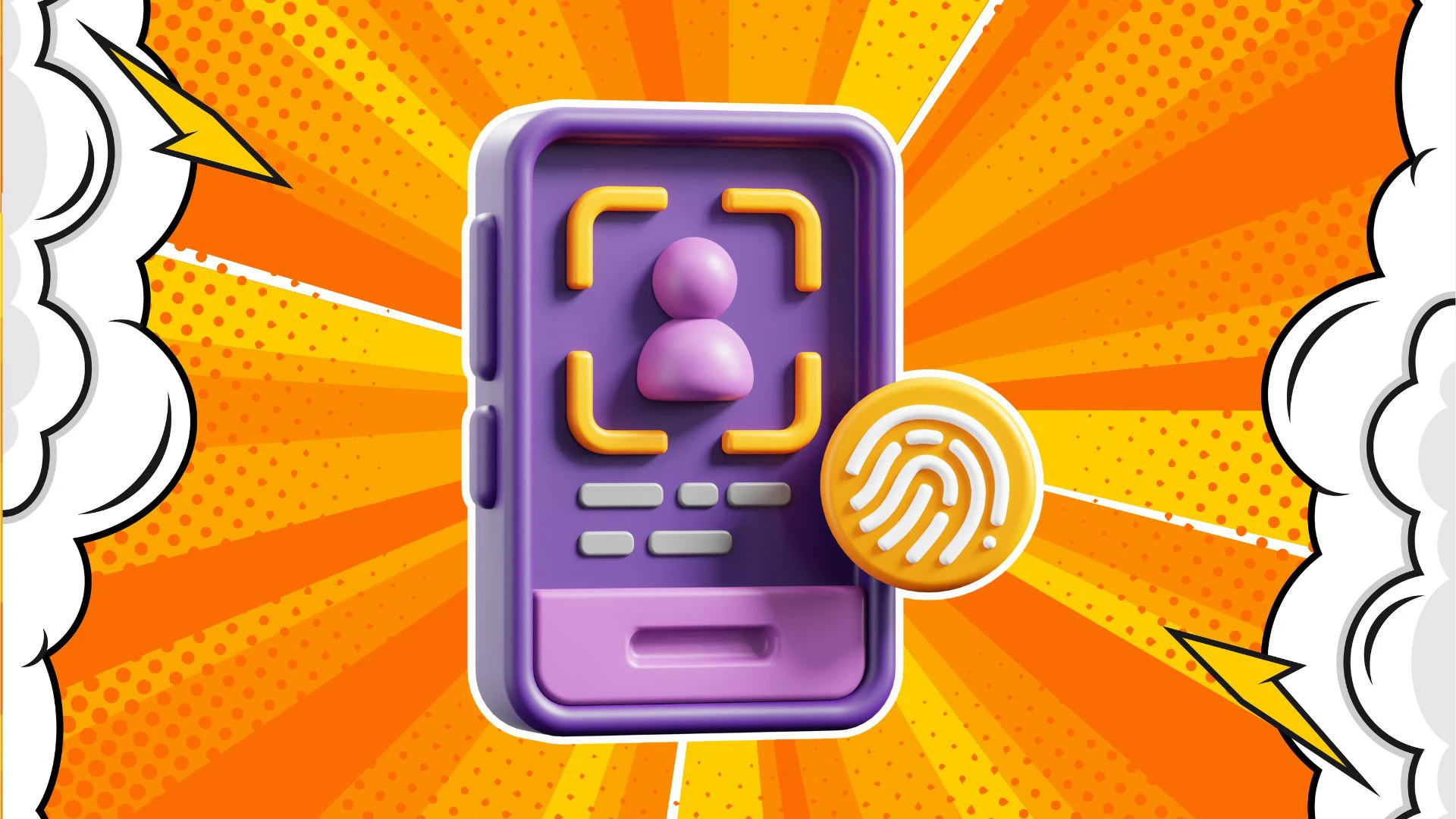
You’re logging into a new financial platform with confirmation from your phone. Your face is recognized, your voice matches, and an AI agent that represents you has already verified your credentials, checked signals, and approved access. It’s the direction digital identity is moving toward.
This article outlines the future of digital identity through decentralization, biometric, and AI agents.
How AI Agents Manage Digital Identity
AI Agents serve as virtual representation of the users. The agents handle identity management for individuals and organizations by verifying their identities, providing access, and exchanging information. Rather than asking users to prove who they are, AI Agents assess multiple signals in the background. These include device behavior, location patterns, and biometric inputs like face or voice.
How Digital Identity Is Transforming E-Commerce
Here is the impact of digital identity on e-commerce.
1. Personalized Customer Experience
By establishing a digital identity which can be traced across various sites, companies can gain a better understanding of customers’ preferences without having to collect all the data. AI Agents help in achieving this process.
Example: Returning customers will get personalized recommendations from previous transactions and other verified preferences.
2. Secure and Simplified Payments
Digital identity is making payments faster by reducing dependency on card details and manual inputs. AI Agents can authorize transactions based on verified identity signals.
Example: The AI Agent verifies the user’s identity using biometrics and transaction history to complete the purchase in a single step.
3. Efficiencies in Post-Purchase Support
With verified digital identities, processes like returns, refunds, and support become easier as each step will verify the user’s identity.
Example: A customer requests a refund, which is then processed by verifying the identity of the user via their AI Agent.
How AI Agents are Improving Biometric Accuracy and Fraud Detection
The following are the ways that AI Agents are used for biometric accuracy and fraud prevention.
1. Multilayered Identity Authentication
AI Agents employ multiple identity authentication layers, including facial recognition, voice identification, and device behavior.
Example: The login process on a finance platform for an individual will be authenticated using facial recognition technology, voice tone, and device behavior.
2. Live Detection and Spoof Resistance
A significant issue with biometrics involves spoofing using photographs, video, or audio recordings. The use of AI Agents helps in detecting such attempts.
Example: When performing facial recognition, the system ensures that the image contains actual eye movements and depth, confirming the legitimacy of the data input.
3. Less Relying on Static Identifiers
AI Agents help bolster biometric technology, reducing reliance on static identifiers that can be vulnerable to threats.
Example: An enterprise solution uses biometrics powered by AI Agents, eliminating the requirement for user passwords or codes.
Emergence of Identity-as-a-Service (IDaaS) Solutions
Here’s the impact of IDaaS solutions on digital identity management.
1. Centralized Identity Management
Identity management services like authentication and identity verification can be included in IDaaS offerings for easy administration of various applications.
Example: An Saas organization uses an IDaaS solution to administer access permissions to their applications for their customers and employees.
2. Flexible Security with Minimal IT Overhead
IDaaS eliminates the requirement for the organization to develop an elaborate identity system themselves.
Example: During peak seasons, an online retailer that needs to manage login activities effectively uses IDaaS.
3. Seamless Experience Across Multiple Touchpoints
Through IDaaS, the user enjoys a uniform experience across various access points with minimal friction but with maximum security.
Example: The consumer accesses online services offered by the enterprise within an ecosystem using a validated digital identity, without having to undergo verification at each point.
The Future of Digital Identity
Identity will become a key factor in how organizations market their products and forge relationships with consumers. Instead of revealing all personal data, people can disclose relevant information required for a particular transaction. The coming years will bring transformation not only to current identity platforms but also to their very definition.