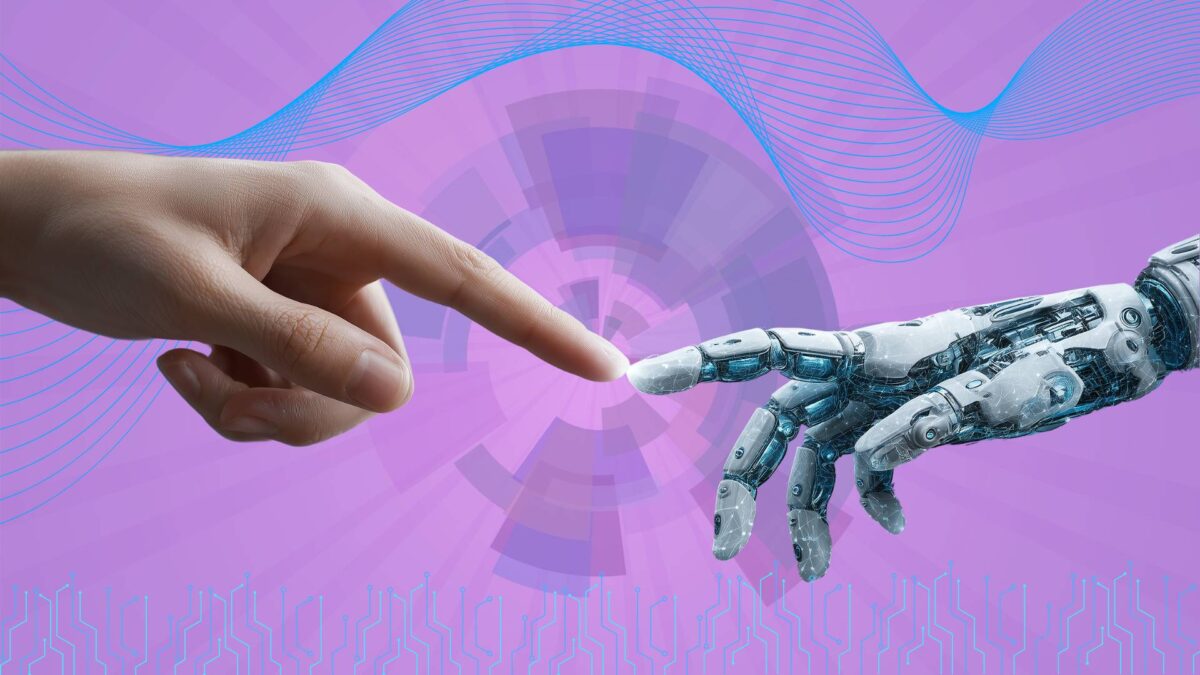


The creative director sits in front of two screens. On one, a blank page is waiting for inspiration to strike. On the other hand, concepts are being created by a computer system through headlines, images, mood boards, and even sentiment analysis of target audience reaction. This is where we are today, with one foot in human creativity and one in technology.
The future of creativity is no longer a tale of man versus machine. It is a question of the role of AI and humans collaborating to redefine what is possible. Machines will provide speed and scale, as well as the capacity to analyze deeply, while humans provide context, empathy, and intuition.
This article discusses the future of creativity and its role with machines, humans, and ethics.
Why Human Emotion Is Key to B2B Creativity
As the future of creativity emerges, emotion is the differentiator that ignites output and brings impact.
1. Emotion Drives Decision
B2B purchasing is characterized as a rational activity, but purchasing decisions are made by individuals operatingnditions of pressure, risk, and uncertainty. Human creative teams understand fear of failure, career risk, and trust-building in a way that machine-based teams do. For instance, a brand of cybersecurity products communicating its message as “protecting reputation and customer trust” resonates.
2. Empathy Fuels Relevance Across Buying Groups
B2B journeys consist of varied stakeholders who have varied motivations. Human emotions help creative professionals identify emotional motivators, including operations pressure, leadership confidence, and finance explanation. AI can process personas, but it is done by humans, who craft stories around them.
3. The Role of Storytelling in Creating Meaning
Machines can assemble content, but it’s humans who spin stories that echo actual struggles in business. The example of a SaaS business sharing its customer’s story about struggles with missed targets and eventually success drives emotional believability. This is where partnership between humans and AI has its greatest value, where AI looks for patterns while humans make it into something that can be remembered through storytelling.
4. Trust is Built Through Emotional Intelligence
Trust in the B2B is often the case that trust is valued over something new. Human creativity knows instinctively where the tone, timing, and sensitivity are, especially if it’s an industry such as finance, the health industry, or HR. The AI can work on optimal content, but it is human discretion that makes it sound responsible.
5. Emotion Drives Innovation Beyond Efficiency
While optimization is a strength of AI, imagination is a strength of the human side. Insights that lead to breakthroughs can be inspired by emotions like frustration with the status quo, happiness about what is possible, and sympathy with what consumers are going through.
How Ethics is Shaping the Future of Creativity in B2B
Ethics is the intersection of AI and human judgment where sustainable and trusted creativity emerges.
1. Bias-aware Creativity Maintains Brand Reputation
Machine creativity is based on lessons learned from data with probable bias. If supervised in an irresponsible manner, machine creativity may communicate in ways that are unintentionally exclusive in terms of industries, geography, or leadership profiles.
2. Intellectual Ownership Requires Governance
With the rising use of AI for content generation, there’s an important role for leadership to play in addressing the aspect of ownership. For example, if an AI-based thought leadership initiative is carried out by the company providing cloud-based software services, there would need to be policies in place concerning who owns and how to reuse this published content.
3. Ethical Guardrails Enable Scalable Creativity
Ethical frameworks help, and the guidelines are the facilitators of innovation. Once the parameters are known, teams can innovate with confidence. They can use AI, for instance, and personalize ABM campaigns without flouting data privacy policies.
4. Balancing Efficiency with Human Values
The future of creativity will not be determined by how much creativity is accomplished or in other words, how many outputs are created. An ethical leader understands when the use of technology may very well lead to a loss of empathy or nuance. Even though AI can optimize conversion paths, human creativity comes into play to keep messages within those paths relevant and consistent.
5. Brand Equity in the Long Term vs. Short-term
Misuse of creative output from machines can undermine trust quickly in the event of deceptive communication. Consumers seek integrity. Ethical creativity can facilitate long-term brand-building, even if the decision-making process is more intentional.
Future Trends Pivotal to Creativity Within B2B
As AI-human collaborative efforts advance, creativity is becoming more goal-oriented, measurable, and responsible.
1. Emotion-driven AI Ideation
Creative teams will start with human insight and apply AI to quicken the ideation process. They begin with the identification of the pain points defined by humans for the SaaS business and thereafter employ machine learning to develop a variety of messages for CIOs, CFOs, and operations heads.
2. Human-in-the-loop Creativity
While scaling creative production, AI tools will help organizations develop more structured approaches regarding oversight by humans. Creative chiefs shall approve and interpret AI-created content. This brings back accountability and enables safe scaling of AI and creative partnerships.
3. Ethical Creativity as a Brand Differentiator
Ethics becomes more focused on competitive advantage than compliance. Buyers begin to rate vendors on transparency and values. Businesses will be viewed favorably by consumers as long as they are open with their methodology in AI in creative processes, such as personalization and data practices.
4. Cross-functional Creativity with Shared Intelligence
Innovation would no longer be the sole domain of marketing departments. AI-based insights would bring sales, product, and customer success teams together through joint storytelling. For instance, customer insights gleaned from AI would provide messaging insights in sales presentations, onboarding materials, and leadership presentations.
5. Creativity Measured Beyond Performance Metrics
Although measurement of performance is made possible by AI, more parameters than before will be considered in assessing creativity by leaders. These parameters would include trust, brand association, and customer confidence.
Conclusion
Looking into the future, the future of creativity is no longer about talent and technology, but about responsible and impactful creativity where emotion leads, machines enable, and values anchor all decisions. That is when it is time to invest in creative models that align human emotion, machine precision, and ethical innovation because that is what will define what’s next.

Paramita Patra is a content writer and strategist with over five years of experience in crafting articles, social media, and thought leadership content. Before content, she spent five years across BFSI and marketing agencies, giving her a blend of industry knowledge and audience-centric storytelling.
When she’s not researching market trends , you’ll find her travelling or reading a good book with strong coffee. She believes the best insights often come from stepping out, whether that’s 10,000 kilometers away or between the pages of a novel.