







Artificial intelligence is becoming the defining force behind the next generation of consumer technology, and Hisense is positioning AI at the center of its long-term business strategy. During the Hisense Global Partner Conference 2026 in New York, held ahead of the FIFA World Cup 2026™ Final, the global electronics manufacturer introduced a company-wide AI roadmap designed to reshape its products, technology platforms, semiconductor investments, and intelligent home ecosystem while supporting continued international expansion.
Hisense has announced a comprehensive artificial intelligence strategy aimed at transforming its business from a traditional consumer electronics manufacturer into an AI-driven technology company. The initiative, introduced during the company’s Global Partner Conference 2026, outlines how AI will influence everything from smart televisions and connected appliances to semiconductor development, automotive electronics and intelligent energy technologies.
The announcement reflects a broader shift across the consumer technology industry as manufacturers increasingly compete on AI capabilities rather than hardware specifications alone. Companies including Google, Microsoft, Amazon, Samsung, Apple, and NVIDIA have accelerated investments in generative AI, intelligent assistants, AI chips and connected ecosystems, making AI integration a central differentiator in consumer devices.
Hisense’s latest strategy is built around five priorities that the company says will guide its next phase of global growth. These include expanding investments across the AI technology value chain, evolving connected devices into AI-powered home companions, maintaining long-term global sports marketing initiatives, strengthening customer service capabilities and deepening localized operations across international markets.
Rather than positioning AI as an isolated software feature, Hisense is framing it as foundational infrastructure across its product portfolio. The company plans to expand investments in AI computing platforms, semiconductor technologies, smart energy systems, laser display technologies and automotive electronics while continuing to strengthen its existing smart device business.
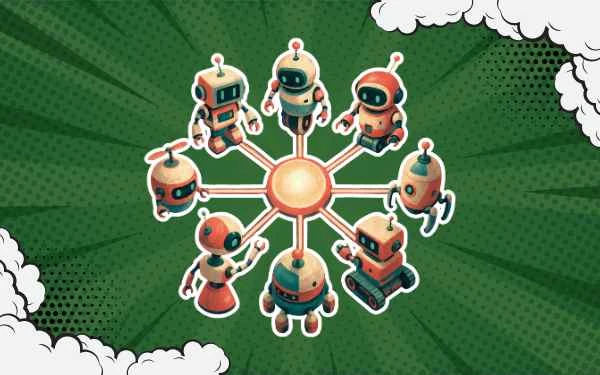
One of the most significant aspects of the strategy is the company’s vision for AI-powered home companions. Unlike conventional smart devices that respond only to user commands, these systems are intended to proactively understand user preferences, recognize environmental context and automate routine household activities through natural interactions.
This approach aligns with an emerging industry trend toward contextual AI. Instead of relying solely on voice commands, next-generation AI systems increasingly combine large language models, computer vision, sensor data and predictive analytics to anticipate user needs. Similar concepts are being explored across ecosystems developed by Google Home, Amazon Alexa, Apple Home, and Samsung SmartThings, although manufacturers continue to differentiate themselves through proprietary software and integrated hardware experiences.
Central to Hisense’s ecosystem is its V AI OS, which powers intelligent televisions capable of analyzing viewing habits and delivering personalized content recommendations based on user intent rather than simple viewing history. The operating system forms part of a broader connected ecosystem that integrates with the company’s ConnectLife platform.
ConnectLife extends AI capabilities beyond entertainment by coordinating household appliances across cooking, laundry, indoor air quality management and energy optimization. The platform is designed to enable appliances to exchange contextual information and automate routine household processes, illustrating how AI is increasingly becoming an orchestration layer across connected home environments.
For enterprise technology observers, the announcement highlights how consumer electronics companies are moving toward vertically integrated AI ecosystems. Rather than licensing third-party intelligence alone, manufacturers are investing simultaneously in software platforms, AI infrastructure, semiconductor technologies and cloud-connected services to create differentiated user experiences.
Industry analysts have identified AI-enabled devices as one of the fastest-growing segments within consumer technology. According to IDC, worldwide AI-enabled device adoption continues to accelerate as manufacturers embed machine learning capabilities directly into consumer hardware. Meanwhile, McKinsey & Company has estimated that generative AI could contribute between $2.6 trillion and $4.4 trillion annually across industries by enhancing productivity, automation and customer experiences.
Hisense’s roadmap also reflects growing competition around AI infrastructure. Investments spanning semiconductors, intelligent energy systems and automotive electronics demonstrate that the company is pursuing opportunities beyond traditional televisions and home appliances. These adjacent markets are expected to play increasingly important roles as AI workloads expand from cloud environments to edge computing devices.
Alongside technology investments, Hisense reaffirmed its long-term sports marketing strategy through continued partnerships with FIFA. The company believes global sporting events provide a platform to strengthen brand recognition while showcasing emerging display technologies and AI-powered consumer experiences. Executives from FIFA and retail partner Harvey Norman highlighted the role of these partnerships in supporting global brand visibility and long-term commercial relationships.
For enterprise buyers, retailers and channel partners, the strategy signals that Hisense intends to compete more aggressively in the AI-enabled smart home market. As organizations increasingly evaluate connected ecosystems based on interoperability, automation and AI capabilities, manufacturers that successfully integrate hardware, software and intelligent services may gain competitive advantages over companies focused solely on individual devices.
The announcement ultimately reflects a wider industry transformation. Artificial intelligence is becoming the operating layer connecting consumer devices, cloud services and edge computing infrastructure. Hisense’s strategy demonstrates how established electronics manufacturers are adapting to that shift by embedding AI across products, platforms and core business operations rather than treating it as a standalone feature.
Market Landscape
The consumer AI market is entering a new phase where intelligent ecosystems are becoming more important than standalone smart devices.
According to McKinsey & Company, generative AI could generate $2.6 trillion to $4.4 trillion in annual economic value across industries through automation and productivity improvements. Meanwhile, IDC projects continued growth in AI-enabled PCs, smartphones and connected devices as manufacturers increasingly integrate AI accelerators into hardware platforms.
Competition is intensifying among technology leaders including Google, Amazon, Microsoft, Apple, Samsung, and NVIDIA, all of which are investing heavily in AI assistants, edge AI computing, proprietary chips and connected device ecosystems. Hisense’s strategy positions the company within this broader movement toward AI-native consumer technology platforms.
Top Insights
- Hisense is repositioning itself as an AI-first technology company, expanding investments across AI software, semiconductors, smart energy, automotive electronics and connected consumer devices to support long-term global growth.
- The company aims to evolve smart devices into AI-powered home companions, enabling televisions and connected appliances to anticipate user needs through contextual intelligence and automation.
- V AI OS and ConnectLife form the foundation of Hisense’s AI ecosystem, integrating entertainment, home automation, energy optimization and appliance management into a unified intelligent platform.
- Hisense’s strategy mirrors broader industry trends, as technology companies increasingly compete through vertically integrated AI ecosystems combining hardware, software, cloud services and AI infrastructure.
- Enterprise partners and retailers may benefit from expanded AI capabilities, as connected ecosystems become a key purchasing factor for consumers adopting intelligent home technologies.
Power Tomorrow’s Intelligence — Build It with TechEdgeAI