







Clone Systems has rebuilt its Managed SOC + SIEM service around privately hosted, self-managed artificial intelligence, combining 24/7 security monitoring, threat investigation and response in a single offering. The managed security provider says its AI assistant analyzes alerts within its own infrastructure, keeping customer logs away from external AI providers and public model training. The service also includes the security information and event management (SIEM) platform, analyst coverage and log ingestion, addressing a common cost and data-governance challenge for organizations seeking managed detection and response.
Clone Systems Adds Private AI to Managed Security Service
Cybersecurity teams are under pressure to monitor threats continuously while meeting increasingly demanding compliance and data-protection requirements. For organizations without the resources to operate a security operations center around the clock, managed detection and response (MDR) services offer a way to combine security technology with specialist analysts. However, pricing structures and the handling of sensitive security data can complicate those decisions.
Clone Systems, a managed security and compliance provider, has rebuilt its Managed SOC + SIEM service to address both concerns. The offering combines security information and event management, 24/7 monitoring, threat investigation and response, and a privately hosted AI assistant. The company says the AI runs on its own infrastructure rather than sending customer logs to external AI providers.
The announcement reflects a broader trend in enterprise AI infrastructure: organizations are exploring how to use AI for operational tasks without relinquishing control over sensitive information.
Private AI Targets Security Alert Overload
Security information and event management platforms collect and correlate logs from endpoints, servers, cloud services, network devices and business applications. Security analysts use that information to identify suspicious activity, investigate incidents and determine whether a response is necessary.
The volume of alerts can make those tasks difficult to manage manually. AI-assisted triage can help analysts investigate events, summarize evidence and prepare response recommendations, potentially reducing repetitive work.
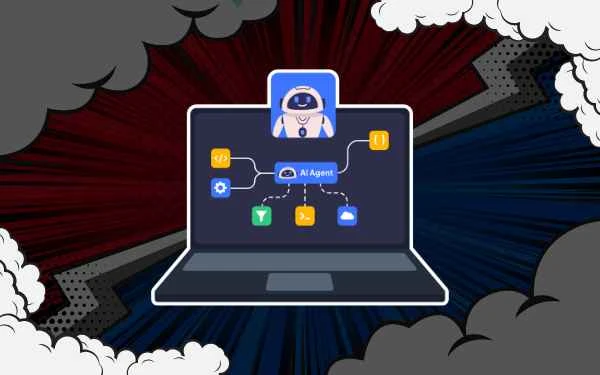
Clone Systems says its AI Assistant investigates alerts and drafts response steps within the company’s own infrastructure. A human analyst must approve every action, keeping the system in an assistive role rather than allowing it to independently execute security responses.
The rebuilt service also includes detection rules that run every minute and company-reported response times of under a minute for critical alerts. These are vendor claims; the announcement does not provide independent performance testing or service-level agreement details.
The company says the platform supports more than 100 integrations, including CrowdStrike, SentinelOne, Microsoft 365, Okta, Amazon Web Services, Microsoft Azure, Google Cloud, Proofpoint and Mimecast. The aim is to bring security information from multiple environments into one console for monitoring and investigation.
Data Residency Becomes an AI Infrastructure Decision
Keeping security logs within controlled infrastructure is a central part of Clone Systems’ positioning. Security telemetry can contain usernames, IP addresses, system details, authentication events and other information that organizations may need to protect under internal policies or regulatory obligations.
When AI services rely on external model providers, businesses must assess where information is processed, how it is retained and whether it can be used for model training. Private or self-hosted AI offers another deployment model, although it still requires appropriate access controls, security testing and operational safeguards.
Clone Systems says each customer receives a dedicated instance hosted in its data centers in Philadelphia, Athens or Limassol, or deployed in the customer’s own environment. The company also states that customer logs are not sent to external AI providers or used to train public models.
This approach may appeal to organizations with strict data-residency requirements or security policies that restrict sharing telemetry with third parties. However, self-hosting does not automatically eliminate privacy or security risks. Buyers still need to evaluate the AI model, infrastructure controls, retention policies and access to customer environments.
SIEM and MDR Bundled Into One Service
Pricing is another focus of the relaunch. Clone Systems says the service is priced per endpoint, with a minimum of 50 endpoints, and includes SIEM technology, AI-assisted triage and 24/7 analyst coverage without separate log-ingestion fees.
That structure differs from offerings in which software licenses, data ingestion and managed monitoring are priced separately. For organizations with growing telemetry volumes, understanding those cost components is important when estimating the total cost of security operations.
The service also includes endpoint detection and response (EDR) and managed intrusion prevention capabilities intended to help analysts contain threats rather than simply generate alerts. Twelve standard reports cover executive summaries and compliance evidence, with alerts mapped to frameworks and requirements including PCI DSS, HIPAA, GDPR, NIST SP 800-53 and SOC 2. Clone Systems states that the service retains logs for 12 months for PCI DSS purposes.
The company has provided PCI Security Standards Council Approved Scanning Vendor services since 2007, according to its announcement. It also offers vulnerability scanning and penetration testing separately, giving customers the option of sourcing several security and compliance services from one provider.
Compliance and the Limits of Automation
PCI DSS v4.0.1 Requirement 10 addresses the logging and monitoring of access to systems and cardholder data. Its requirements include reviewing audit logs and implementing automated mechanisms to support log review. The relevant future-dated requirements became effective on March 31, 2025, making them applicable by the time of this announcement.
AI-assisted investigations may help security teams process alerts and prepare documentation, but an AI-enabled MDR service does not automatically establish compliance. Organizations must still determine which requirements apply to their environments, maintain appropriate controls and verify that their evidence meets the relevant standard.
For buyers, the key questions extend beyond whether AI can summarize alerts. They include whether analysts can validate findings, how quickly incidents are escalated, what actions require approval and whether the provider can demonstrate reliable coverage.
Clone Systems’ model combines private AI, human-led monitoring and bundled security tooling. Its practical value will depend on detection quality, response effectiveness, integration coverage and the transparency of its service commitments.
As AI becomes more common in security operations, providers will increasingly need to balance automation with data control and accountable human oversight. Clone Systems is positioning its rebuilt service around that combination, with a pricing model intended to make the underlying monitoring infrastructure easier for customers to budget for.
Market Landscape
The managed security market is evolving as organizations seek to combine AI-assisted threat detection with compliance reporting and predictable operating costs.
- AI-powered security operations: AI can assist with alert triage, investigation summaries and response recommendations, while human analysts validate actions.
- Private AI infrastructure: Self-hosted deployment can help organizations maintain control over sensitive logs and processing environments.
- MDR and SIEM convergence: Bundled services combine security software, monitoring expertise and incident response under one provider.
- Compliance-driven demand: PCI DSS, HIPAA, GDPR and SOC 2 requirements can influence decisions about logging, monitoring, retention and evidence collection.
- Pricing transparency: Endpoint-based pricing without separate ingestion fees may simplify budgeting, although buyers should compare minimum commitments, retention limits and included response capabilities.
Clone Systems competes in a wider ecosystem of managed security providers and security platform vendors. Its stated differentiation is the combination of privately hosted AI, human-approved remediation, included SIEM and no separate log-ingestion charges.
Top Insights
- Clone Systems has rebuilt its Managed SOC + SIEM offering with private, self-hosted AI designed to investigate security alerts without sending customer logs to external AI providers.
- The service combines SIEM, 24/7 analyst coverage, AI-assisted triage and endpoint response capabilities under one managed security offering.
- Customers receive a dedicated instance hosted in Clone Systems’ data centers or deployed in their own environment, according to the company.
- Pricing is per endpoint with a 50-endpoint minimum, while SIEM, AI and log ingestion are included without separate ingestion fees.
- The service supports compliance reporting for multiple frameworks, but buyers must independently verify how its controls satisfy their specific regulatory and contractual obligations.
Power Tomorrow’s Intelligence — Build It with TechEdgeAI