






Artificial intelligence is playing an increasingly central role in modernizing energy infrastructure, and China Southern Power Grid (CSG) used the 2026 World Artificial Intelligence Conference (WAIC) in Shanghai to demonstrate how AI can reshape power system planning and operations. The utility showcased an integrated technology stack that combines electricity, carbon management, and computing, highlighting AI-powered grid planning agents, industry-specific foundation models, and intelligent digital infrastructure for next-generation power networks.
As governments and utilities worldwide accelerate investments in smart grids and digital infrastructure, artificial intelligence is emerging as a critical technology for managing increasingly complex energy systems. At the 2026 World Artificial Intelligence Conference (WAIC) and the High-Level Meeting on Global AI Governance in Shanghai, China Southern Power Grid (CSG) unveiled a suite of AI-driven technologies designed to support the digital transformation of power networks through coordinated management of electricity, carbon, and computing resources.
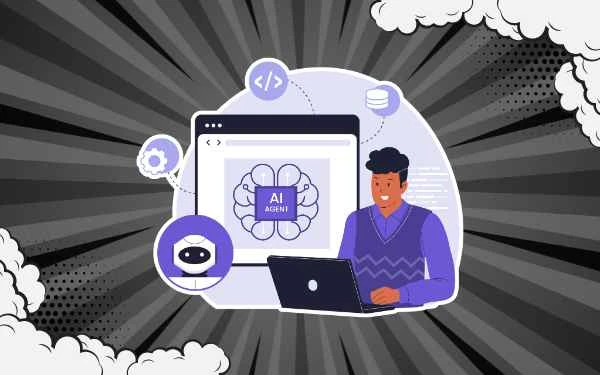
Among the company’s headline announcements was MegaWatt Yunrui, an AI-native distribution network planning agent developed specifically for the electricity sector. During a live demonstration, the platform automatically generated a comprehensive distribution network planning report—including grid topology recommendations and risk assessments—in approximately 10 minutes, illustrating how AI agents could significantly reduce the time required for complex engineering and planning tasks.
The demonstration earned recognition as one of the conference’s Top 10 Signature Exhibits, making it the only project from a Chinese central state-owned enterprise to receive the distinction.
The launch reflects a broader shift toward industry-specific AI agents, which are increasingly being developed to automate specialized workflows in sectors such as healthcare, finance, manufacturing, and energy. Unlike general-purpose AI assistants, these systems are trained using domain-specific knowledge and operational data to perform highly specialized tasks within regulated environments.
For utilities, AI-powered planning tools have become increasingly important as power grids evolve to accommodate renewable energy integration, distributed generation, electric vehicles, battery storage, and rising electricity demand from AI data centers.
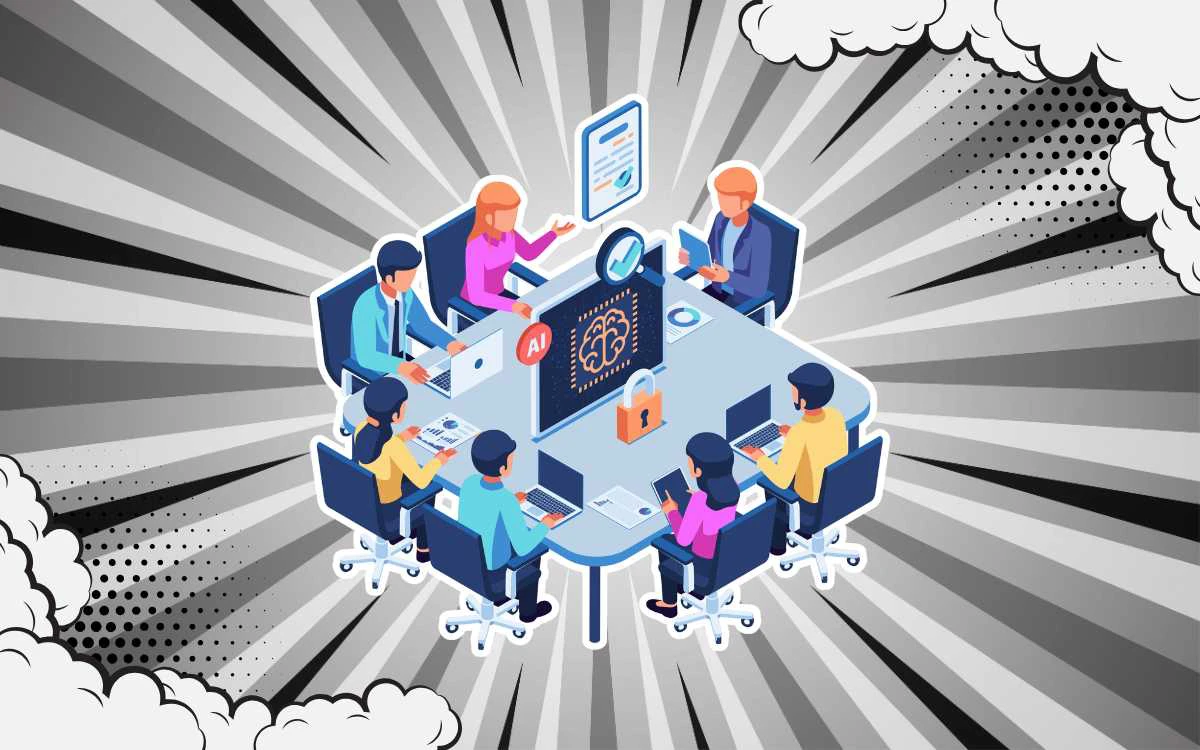
CSG’s strategy extends beyond individual AI applications by focusing on an integrated technology architecture connecting electricity infrastructure, carbon management, and computing resources. According to the company, the platform represents China’s first industry-level electricity-carbon-computing coordination system, designed to improve operational efficiency while supporting national energy modernization objectives.
At the center of the architecture is MegaWatt Multimodal 2.0, a foundation model developed specifically for power sector applications. Unlike general-purpose large language models (LLMs), industry foundation models incorporate specialized engineering knowledge, operational workflows, technical documentation, and infrastructure data, enabling more accurate recommendations for utility-specific tasks.
Building on this AI layer, MegaWatt Yunrui functions as an intelligent planning agent capable of analyzing network conditions, evaluating risks, and recommending distribution infrastructure improvements. The system is intended to support long-term grid expansion while enhancing operational resilience and energy security.
Beyond AI software, CSG also introduced PowerAtomOS, a proprietary operating system designed for power-sector Internet of Things (IoT) devices. The platform provides centralized connectivity and management for hundreds of millions of connected assets deployed across substations, transmission networks, distribution systems, and field equipment.
Managing such large-scale infrastructure has become an increasingly complex challenge for utility operators. Smart meters, sensors, distributed energy resources, and automated substations continuously generate massive volumes of operational data that require real-time analysis and coordination. AI-powered digital infrastructure can help utilities monitor equipment health, optimize maintenance schedules, detect anomalies, and improve grid reliability while reducing manual intervention.
The announcement also aligns with China’s broader policy emphasis on integrating digital technologies into critical infrastructure. Coordination between computing infrastructure and power systems was included in China’s Government Work Report for the first time this year, reflecting growing recognition that electricity networks and computing resources are becoming increasingly interconnected as AI adoption expands.
The relationship between energy and AI has become particularly important as large-scale AI models require substantial computing capacity, driving demand for reliable electricity supplies and more intelligent energy management systems. Utilities worldwide are exploring AI-driven optimization to balance renewable generation, forecast electricity demand, and improve grid resilience while supporting rapidly growing digital infrastructure.
Major technology companies including Google, Microsoft, Amazon Web Services (AWS), and NVIDIA continue investing in AI technologies that improve energy efficiency within data centers and industrial operations. Meanwhile, utilities globally are deploying machine learning, digital twins, predictive analytics, and autonomous monitoring systems to modernize aging electricity infrastructure.
According to the International Energy Agency (IEA), digitalization and AI are expected to play an increasingly important role in improving power system flexibility, integrating renewable energy, and enhancing electricity network resilience. Similarly, Gartner has identified AI-driven operational technologies as a growing area of enterprise investment as organizations modernize critical infrastructure.
For the utility sector, CSG’s latest initiatives illustrate how AI is evolving from a decision-support tool into an operational platform capable of coordinating multiple layers of infrastructure. By integrating AI agents, industry-specific foundation models, IoT operating systems, and computing resources into a unified architecture, utilities are beginning to build intelligent energy ecosystems designed to support increasingly dynamic electricity networks.
As global energy systems continue to evolve, AI-enabled coordination across power generation, carbon management, and digital infrastructure is likely to become a defining capability for next-generation smart grids.
Market Landscape
Utilities worldwide are accelerating investments in AI, digital twins, IoT, and advanced analytics to modernize power infrastructure and support renewable energy integration. Companies such as Google, Microsoft, Amazon Web Services (AWS), NVIDIA, and leading utility providers are developing AI technologies that improve grid planning, predictive maintenance, and energy optimization. According to the International Energy Agency (IEA), digital technologies will play a critical role in building more resilient, efficient, and sustainable electricity systems. Industry-specific AI foundation models and autonomous agents are emerging as key components of the next generation of intelligent energy infrastructure.
Top Insights
- China Southern Power Grid showcased MegaWatt Yunrui, an AI-native planning agent capable of generating comprehensive distribution network planning reports in approximately 10 minutes.
- The utility introduced an integrated electricity-carbon-computing platform designed to coordinate AI, energy infrastructure, and carbon management within a unified operational ecosystem.
- MegaWatt Multimodal 2.0 and PowerAtomOS form the core of CSG’s proprietary technology stack for intelligent power systems and IoT-enabled grid operations.
- The initiative reflects growing global investment in industry-specific AI foundation models that automate specialized engineering and infrastructure management workflows.
- As AI computing demand increases worldwide, intelligent coordination between power systems and digital infrastructure is becoming a strategic priority for utility providers.
Power Tomorrow’s Intelligence — Build It with TechEdgeAI