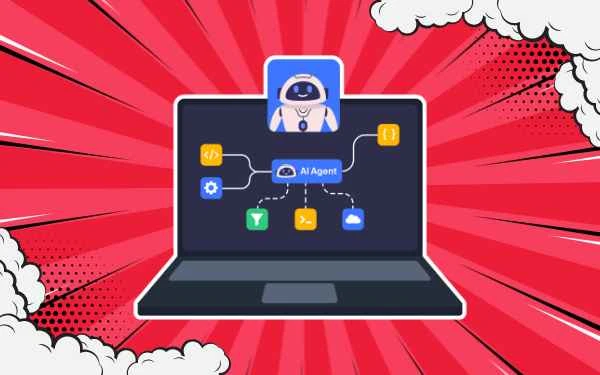








HighLevel has announced that it now connects to Muse, Meta’s AI agent, giving businesses a way to use Muse across the workflows, conversations, calendars and customer information they already manage in HighLevel.
Businesses can use Muse to manage leads, coordinate and book appointments, update customer records, and prepare for customer conversations. Rather than operating as a standalone AI assistant, Muse can take action using supported capabilities within HighLevel.
Why CRM Platforms Matter to the Agentic AI Model
The HighLevel Muse integration highlights the growing importance of CRM platforms in the development of agentic AI.
AI agents need context to perform work. An assistant may help draft a response, but managing a customer relationship requires access to relevant conversations, contact details, appointment history, and sales activity.
This influences how businesses evaluate their MarTech stack. Instead of assessing AI tools only by their individual features, they will consider how well those tools connect with existing systems.
For platform providers, this creates a question: should they build every AI capability themselves, or allow external agents to operate within their environments?
Data Access and Accountability Need to be Considered
Giving an AI agent access to customer records and business workflows introduces operational risks alongside productivity.
An agent that can update contact details, access conversations, or manage appointments needs clearly defined permissions. An incorrect action taken without sufficient context could affect customer communication, sales follow-ups, or internal records.
Customer data also needs protection. Access should be limited to the information required for a specific task, while teams should maintain visibility into changes made by AI agents.
What Businesses Should Evaluate Before Adopting
Businesses can start by identifying repetitive tasks that consume employee time, such as lead management, appointment coordination, and preparing for customer meetings. They should then measure completion time, error rates, manual intervention, and the effect on customer response times before and after implementation.
The Bigger Shift: AI is Part of Business Infrastructure
High Level’s integration with Muse is one example of how AI agents are moving closer to the systems businesses use to operate. Its importance extends beyond the two companies: it highlights a potential future in which AI tools work across the MarTech stack.