

What problems do media buyers suffer from when trading programmatic media?
Programmatic can drive real results, but the day-to-day feels like death by a thousand clicks. Traders spend huge chunks of their time clicking through platform menus, hunting for the right settings, pacing across multiple dashboards, and running QA through spreadsheets that were probably named “FINAL_v7” five iterations ago.
It’s not unusual for a trader to click a hundred buttons just to launch a single campaign in a single DSP. When teams are operating at that speed and scale, the challenge becomes accuracy under pressure, and small misses are inevitable.
Those small misses (the wrong toggle, a missed field, a dropped pixel, or a pacing issue that slips through because the big-budget campaign gets the attention and the check, while the smaller one quietly falls behind) can quickly turn into real performance problems. Traders end up firefighting instead of optimizing. Over time, that creates burnout, inefficiency, and a workday defined by mechanics instead of strategy.
How can agentic AI help improve programmatic trading?
Agentic AI removes the mechanical friction from programmatic activation. It takes on repetitive, easy-to-mess-up work like setup, QA, pacing checks, and platform navigation, with machine speed and human-level intent.
Instead of clicking through a DSP, traders tell the agent what they want, and the agent handles the steps. It creates consistency across DSPs and reduces the silent errors that drain performance. Because it can be trained on the real nuances of each platform, it can also surface improvements you might not catch when you’re buried in tabs. This is what QuantumPath was specifically designed to accomplish, and it is a game changer.
But the important part is this: AI doesn’t replace traders, it gives them their time back. Humans still own strategy, judgment, and performance decisions. The AI just stops them from drowning in the death by a thousand clicks.
Explain how QuantumPath is delivering a “workflow transformation.”
QuantumPath isn’t just slapping AI onto existing tools. It’s rethinking how the work actually gets done.
Trading workflows are rarely “designed from scratch.” They are shaped by years of requirements, edge cases, and team standards, which means each organization’s process is genuinely different. Traders then bring their own training and habits into that environment, and that variation in experience changes how consistently the workflow is followed and how efficiently it runs.
QuantumPath embeds agentic AI directly into the real flow. It supports the way teams actually operate across platforms, helps enforce consistency, and reduces the operational drag that builds up over time.
That changes the rhythm of the job. Instead of switching tabs all day, traders operate from a unified intelligence layer that understands the platforms, supports decisions, and drives more consistent execution.
This isn’t a tooling upgrade. It’s a structural improvement in how teams execute.
What improvements do media buying teams and traders see from working with QuantumPath?
The improvements show up quickly because they hit pain points teams already know too well.
Campaign setup becomes dramatically faster, with fewer manual steps and far fewer opportunities for mistakes. QA becomes cleaner and more consistent. Execution improves across accounts and DSPs because you’re no longer relying on checklists to catch what platforms bury.
The biggest shift is psychological. Traders stop feeling like human routers for button-clicking tasks and spend more time on optimization, strategy, and real problem-solving.
When the busywork fades, performance improves, and morale improves with it. It allows traders to up-level and do what they want to do – analyze and optimize campaigns – rather than focus on the mechanics.
Why is it important for agentic AI to work for humans rather than replace them?
Because media activation is not just execution, it requires interpretation and judgment. It’s separating signal from noise and making trade-offs that actually match the business goal.
Agentic AI should do the repetitive, tactical work and surface the right details to traders. It can run the checks, monitor pacing, flag changes, and bring forward likely drivers and options so issues are visible earlier. That shifts the trader’s day from reactive firefighting to proactive control.
The trader is still essential because they decide what to do next, based on the brief, constraints, and real-world risk. The best AI supports that expertise by reducing operational drag so traders can spend more time on strategy and performance.
Teams should look for AI that is transparent about what it automates, fits into how activation teams actually operate, and reduces friction instead of adding another layer of complexity.
How can traders and media buyers improve their use of AI over time?
The highest-performing teams invest, experiment, and iterate to make AI work harder for them.
They start with curious, detail-oriented traders who can champion early workflows. They compare life before AI and life after AI, identifying where the biggest gains are and where processes still need rethinking. They make space to learn what AI can own, what humans should keep, and what guardrails actually matter.
Leadership plays a big role by giving permission to test, measure, and refine.
Over time, traders get sharper about what they can delegate, and they spend more of their day on the high-value thinking AI can’t replicate.
How can traders and media buyers get started?
Start small. Pick one workflow that reliably creates friction, like setup, pacing, or QA, and let agentic AI own that first.
Bring traders into the process early. Ask them what slows them down and what “good” actually looks like. Make it clear from the start that AI is there to support, not replace, because fear of replacement is often the biggest adoption blocker.
Transformation sticks when the team moves together. The future belongs to teams that combine human insight with agentic execution.
Teams that embrace that partnership will move faster, operate smarter, and help define the next era of media buying.

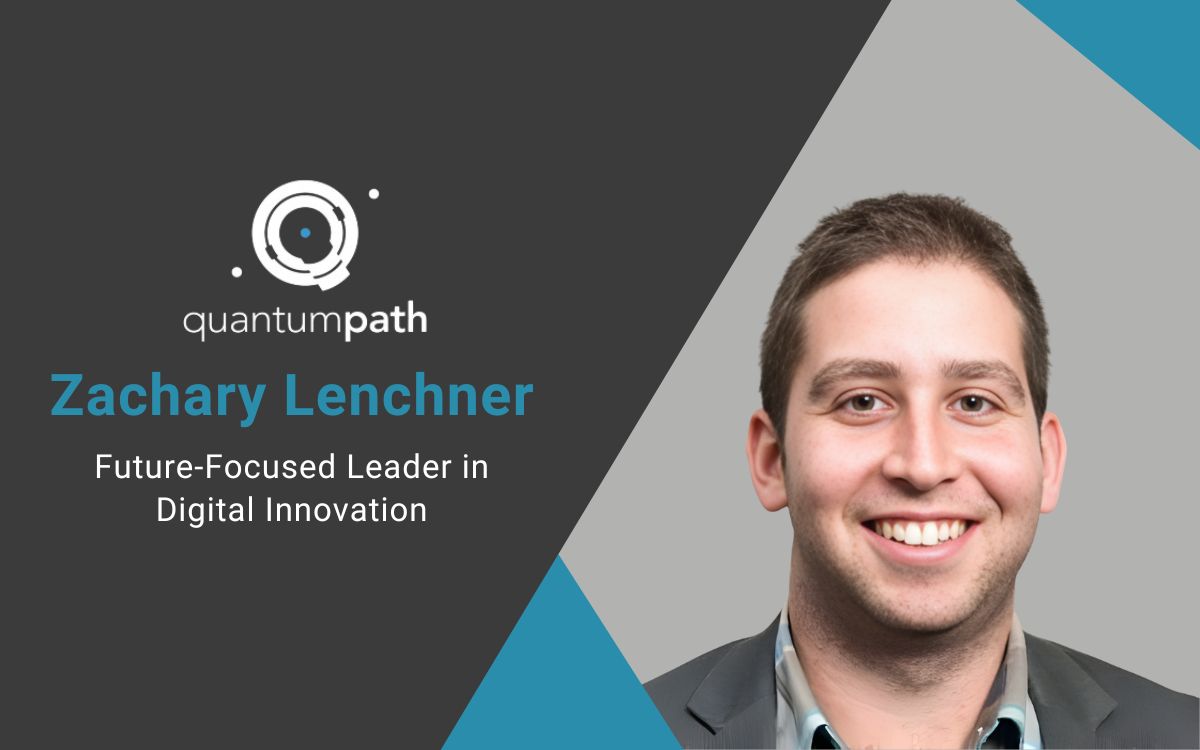
I am an influential and visionary professional leveraging a long-standing track record of success driving continuous innovation and change by exploring and discovering leading-edge technologies.
Over the course of my career I have been recognized for a proven ability to support progressive corporations in treading the unknown from a technology and strategy standpoint, operating at the intersection of technology and business to ensure companies a continuous competitive edge in the marketplace through the use of landmark solutions.
I am an accomplished and respected thought leader on a diverse range of technologies and practices within the emerging discipline of Growth / Performance Marketing. This approach to online marketing and advertising generates revenue through each sale, lead, or click, while equipping advertisers with real-time insight on the value of their marketing spend.