






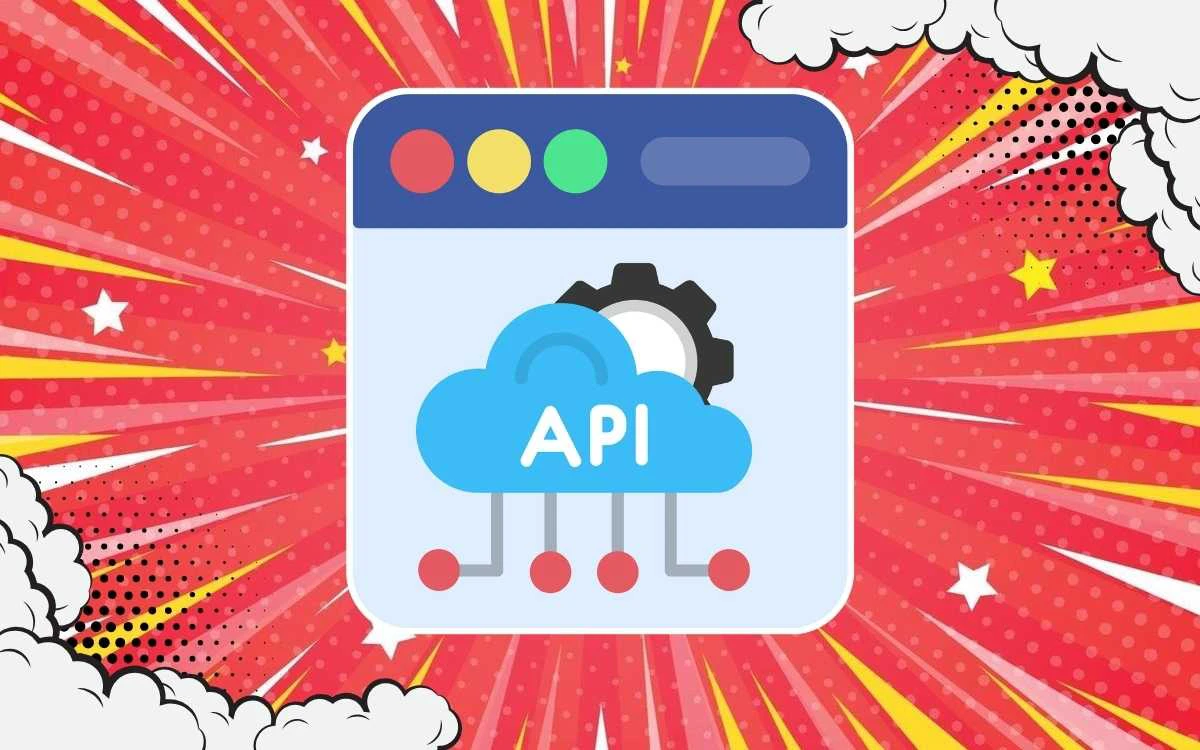
Check Point Software Technologies Ltd. has been honored with Frost & Sullivan’s 2026 Technology Innovation Leadership award for its AI‑driven Web Application and API Protection (WAAP) platform, a move that could reshape how enterprises secure cloud‑native and generative‑AI workloads.
The award spotlights Check Point’s next‑generation Web Application Firewall (WAF) that blends a dual‑layer artificial‑intelligence engine with a unified security stack covering WAF, API, generative‑AI, bot, DDoS, file and CDN protection. In a market where Gartner predicts that 65 % of organizations will experience a cloud‑related breach by 2027, the recognition signals that AI‑first defenses are moving from niche to mainstream.
What the Award Recognizes
Frost & Sullivan praised Check Point for delivering “close to 100 % threat detection with fewer than 1 % false positives,” a claim backed by internal testing that shows the platform can block zero‑day exploits without emergency patches. The firm’s “prevention‑first” philosophy—shifting from signature‑based detection to proactive AI mitigation—aligns with the broader industry push toward runtime security, especially as generative AI models expand the attack surface.
How the Technology Works
At the core of Check Point’s WAAP is a two‑tier AI model. The first tier performs rapid packet‑level inspection using a lightweight neural network that flags anomalous traffic patterns. The second tier applies a deeper, context‑aware model that correlates request metadata, user behavior, and known exploit signatures to make real‑time block decisions. Because the system continuously learns from both public threat feeds and customer‑specific telemetry, it adapts to new attack vectors without manual rule updates.
Key capabilities include:
- Zero‑Day Protection – AI predicts malicious intent before a vulnerability is publicly disclosed, eliminating the need for emergency patch cycles.
- Unified Policy Management – A single console governs WAF, API, and GenAI defenses, reducing the operational overhead that typically plagues point‑solution stacks.
- Self‑Healing Automation – The platform auto‑generates remediation scripts when it detects policy drift, cutting mean‑time‑to‑response (MTTR) from days to hours.
Industry Implications
The WAAP market, estimated at $1.8 billion in 2025 by IDC, is consolidating around platforms that can protect the full application stack. Check Point’s AI‑driven approach challenges incumbents such as Akamai, Cloudflare, and Imperva, which rely heavily on rule‑based engines and CDN‑centric architectures. While those vendors excel at traffic acceleration, they often require separate products for API security and bot mitigation, creating blind spots.
By contrast, Check Point’s integrated stack promises a lower total cost of ownership (TCO) and a reduced attack surface. For enterprises running multi‑cloud workloads on AWS, Azure, or Google Cloud, the platform’s cloud‑agnostic APIs simplify deployment across heterogeneous environments—a critical factor as 48 % of Fortune 500 companies adopt a digital marketing strategy (Forrester, 2024).
What It Means for Enterprise Marketing Teams
Marketing departments are increasingly dependent on real‑time data pipelines, personalization engines, and generative‑AI content creators—all of which expose new APIs and web endpoints. A breach in any of these layers can damage brand trust and trigger costly compliance penalties. By deploying an AI‑driven WAAP, marketers gain:
- Continuous Compliance – Automated policy enforcement aligns with GDPR, CCPA, and PCI‑DSS requirements without manual rule tuning.
- Performance Assurance – Integrated CDN and bot mitigation preserve page‑load speeds, a key SEO factor.
- Rapid Feature Rollout – Self‑learning protection lets teams launch AI‑powered experiences without waiting for security sign‑off, accelerating go‑to‑market cycles.
Market Landscape
The broader AI security market is entering a phase of “runtime hardening,” where protection must keep pace with the velocity of model updates and API churn. According to McKinsey, enterprises that embed AI into their security operations can reduce breach costs by up to 30 %. Simultaneously, the rise of “AI‑generated attacks” (e.g., deep‑fake phishing, adversarial prompts) forces vendors to adopt generative‑AI defenses, a capability Check Point claims to have baked into its WAAP engine.
Major cloud providers—Google Cloud, Amazon Web Services, and Microsoft Azure—are rolling out native WAF services, but these offerings often lack the depth of AI‑driven threat prediction that independent vendors provide. As a result, hybrid deployments that combine native cloud WAFs with a specialized AI platform like Check Point’s are likely to become a best‑practice architecture for large enterprises.
Top Insights
- AI‑First Defense: Check Point’s dual‑layer AI engine delivers sub‑1 % false positives, slashing alert fatigue and boosting SOC efficiency.
- Unified Stack Reduces Blind Spots: Consolidating WAF, API, GenAI, bot, and DDoS protection eliminates gaps inherent in point‑solution architectures.
- Operational Automation Cuts MTTR: Self‑healing scripts and continuous learning reduce mean‑time‑to‑response from days to hours.
- Enterprise Marketing Gains Speed: Real‑time protection enables rapid rollout of AI‑driven campaigns without compromising compliance.
- Competitive Edge Over Cloud‑Native WAFs: While AWS, Azure, and Google offer basic WAFs, Check Point’s AI depth provides superior zero‑day mitigation.
Power Tomorrow’s Intelligence — Build It with TechEdgeAI