






The GSMA brought mobile operators, policymakers and technology companies together at its 2026 Innovation Forum to examine how artificial intelligence can scale across connected devices, robotics and industrial operations. Discussions focused on the convergence of on-device AI, cloud computing and mobile networks, as the industry considers the infrastructure, collaboration and standards needed to support AI agents, connected embodied intelligence and industrial deployments.
Artificial intelligence is moving beyond standalone applications and becoming embedded in smartphones, connected machines, industrial equipment and networked environments. As these systems gain the ability to interpret context, anticipate user needs and execute authorised tasks, the role of connectivity and distributed computing is becoming more important to enterprise and consumer AI strategies.
That shift was a central theme at the GSMA’s 2026 Innovation Forum, where mobile operators, policymakers and technology companies discussed the requirements for deploying AI across connected devices, robotics and industrial operations. The conversations examined how workloads should be distributed between devices and cloud infrastructure, and what mobile networks must deliver as AI-enabled systems expand.
The forum’s discussions reflect a growing industry question: how should AI processing be distributed across devices, edge infrastructure and the cloud? On-device processing can support responsiveness and local data handling, while cloud-based systems provide access to larger models and greater computing resources. The appropriate balance depends on the task, available hardware, latency requirements, privacy considerations and network conditions.
For smartphones, the development of AI-native capabilities is creating demand for more than individual assistant features. AI agents that can operate across applications may need consistent ways to understand user intent, access permitted information and complete multi-step tasks. That creates technical and governance challenges around interoperability, permissions, security and standardisation.
One of the forum’s three executive-led discussions focused on AI-powered devices, particularly AI-native smartphones and the collaboration required to support autonomous cross-application agents. Without common approaches to how applications expose capabilities and how agents receive user authorisation, the experience of moving between services could remain fragmented.
A second discussion examined connected embodied intelligence. Robots and other intelligent machines increasingly combine sensors, local processing and cloud-based AI to interpret their surroundings and carry out physical tasks. This model places specific demands on connectivity: machines may need reliable communication with remote systems while retaining the ability to respond locally when network access is limited or delays are unacceptable.
The distinction between local and cloud processing is particularly relevant for robotics. Real-time perception and control often require processing close to the machine, while more computationally intensive reasoning, model updates and fleet-level analysis can benefit from cloud resources. Future mobile networks could support communication among robots, control systems and distributed infrastructure, but deployment requirements will vary by use case.
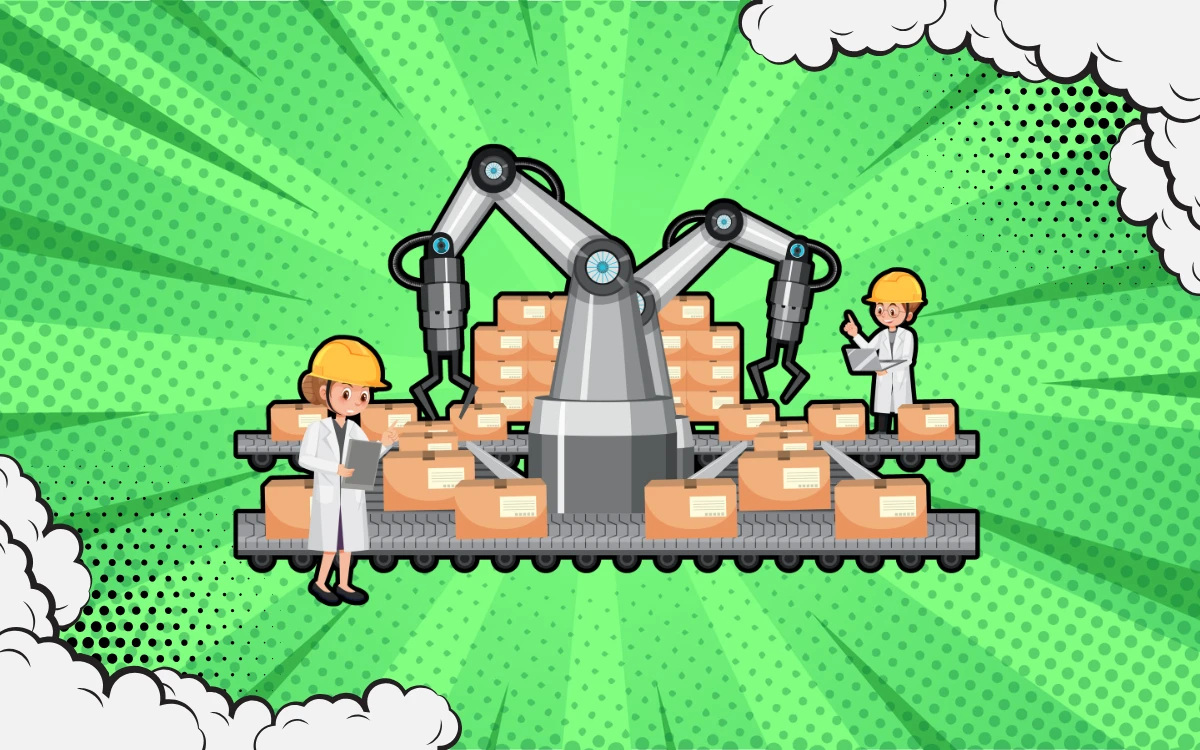
The third discussion focused on industrial AI and the challenge of moving from isolated trials to operational deployment. Manufacturing, automotive, healthcare and education were among the sectors identified as potential areas for broader adoption of AI and intelligent connectivity.
In industrial environments, AI systems must work with existing equipment, operational technology and enterprise software. Connectivity can link sensors, machines and analytics platforms, but reliability, cybersecurity, data governance and integration with established processes remain critical. Moving from pilot projects to core operations also requires clear performance measures and an understanding of how AI affects safety, productivity and operating costs.
The forum featured contributions from China Mobile, China Unicom, Huawei, ZTE, HONOR, Alibaba Cloud, Unitree Robotics, Deloitte China and Rockwell Automation China, alongside other participants from mobile, technology and industrial sectors. Their involvement highlights the range of capabilities needed to develop connected AI systems, from mobile infrastructure and device design to cloud computing, robotics and industrial automation.
Sihan Bo Chen, Head of Greater China at GSMA, said AI is becoming embedded across devices, networks and industries, making connectivity fundamental to the next generation of AI-powered devices and connected embodied intelligence. Chen also pointed to China’s innovation ecosystem as an important source of insight into large-scale AI applications.
The discussions took place ahead of MWC27 Shanghai, where the GSMA expects to bring together leaders from connectivity, AI and 6G to advance collaboration across the ecosystem.
For the mobile industry, the opportunity extends beyond providing faster connections. AI-native devices, autonomous agents and intelligent machines could change traffic patterns, network requirements and the relationship between computing and connectivity. The challenge will be building systems that are interoperable, secure and dependable enough to support AI in everyday and industrial environments.
Market Landscape
The convergence of AI and connectivity is creating a new infrastructure landscape spanning smartphones, cloud platforms, edge computing, robotics and industrial automation.
Three developments are particularly important:
- AI-native devices: Smartphones and connected devices are evolving into platforms for AI agents capable of interacting across applications and services.
- Connected embodied intelligence: Robotics and intelligent machines require coordination between local processing, cloud-based AI and reliable network connectivity.
- Industrial AI: Manufacturers and other enterprises are looking to integrate AI into operational systems rather than limiting adoption to isolated pilots.
Mobile operators and infrastructure providers have an opportunity to support this transition through network capabilities, edge computing and enterprise connectivity. However, deployment at scale will depend on interoperability, cybersecurity, latency, data governance and standards that allow devices and AI systems to work together.
The GSMA’s discussions also connect to the industry’s longer-term 6G ambitions, where AI-native network architectures and intelligent connectivity are likely to become important areas of development.
Top Insights
- GSMA’s 2026 Innovation Forum examined how AI can scale across connected devices, robotics and industrial operations.
- AI-native smartphones and cross-application agents will require collaboration around interoperability, authorisation and standardisation.
- Connected robots are expected to combine on-device processing with cloud-based AI capabilities.
- Industrial AI discussions focused on moving beyond pilots into manufacturing, automotive, healthcare and education operations.
- The forum’s discussions precede MWC27 Shanghai, where connectivity, AI and 6G leaders are expected to continue the conversation.
Power Tomorrow’s Intelligence — Build It with TechEdgeAI