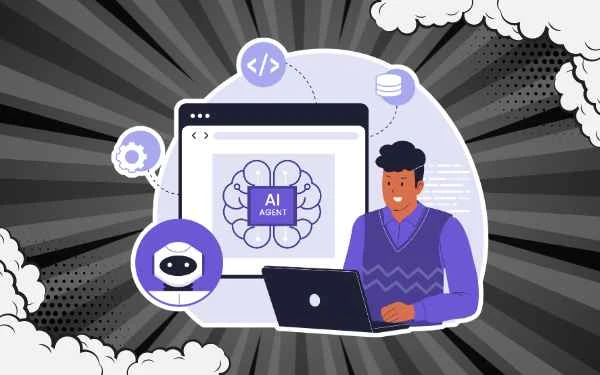





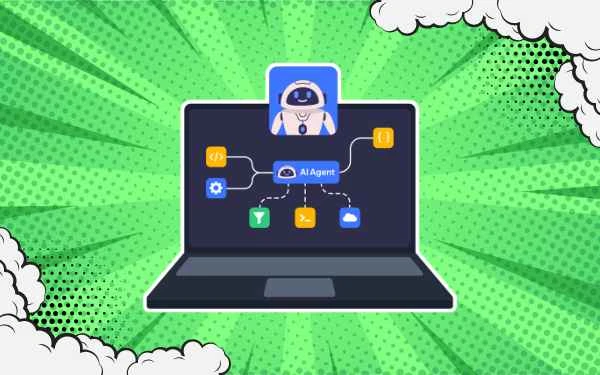
FlowForma has launched FlowForma Agent Trust, an AI agent governance hub designed to give enterprises centralized oversight of AI agents operating across different platforms and vendors. The platform aims to address growing concerns around shadow AI agents, fragmented ownership, operational costs, and accountability as organizations expand agentic AI deployments. By connecting agents from tools such as Microsoft Copilot Studio, Power Automate, and n8n, FlowForma wants to help businesses monitor agent activity, assign ownership, introduce human review, and maintain auditable records of governance decisions.
FlowForma Introduces Agent Trust to Govern Enterprise AI Agents
As enterprises move from AI experimentation to operational deployment, autonomous agents are beginning to handle tasks that directly affect business processes. These include invoice approvals, compliance checks, customer complaint resolution, and workflow automation. However, the growing number of agents across different platforms is creating a governance challenge: organizations may not have a complete view of which agents are running, who owns them, what they cost, or whether their actions meet business requirements.
FlowForma is addressing this problem with FlowForma Agent Trust, a governance hub designed to bring AI agents from multiple vendors and platforms into a single oversight environment.
The platform is intended to help enterprises discover, register, monitor, and manage agents regardless of where they were developed. Rather than limiting governance to one AI ecosystem, FlowForma is positioning Agent Trust as a cross-platform layer for managing the operational and business impact of agentic AI.
Addressing Shadow AI and Agent Sprawl
Enterprise AI adoption is creating a more distributed technology environment. Business teams can build agents using low-code platforms, workflow automation tools, and custom development frameworks. While this expands access to automation, it can also lead to agents operating without consistent approval, ownership, or monitoring.
FlowForma describes this problem as agent sprawl, where organizations lose visibility into the number of agents in operation and the responsibilities assigned to them.
Agent Trust aims to address the issue by discovering and onboarding agents, including those created without formal organizational approval. Once connected, each agent receives an identity and an assigned owner, giving IT, operations, and compliance teams a central inventory.
The platform includes prebuilt connectors for Microsoft Copilot Studio, Microsoft Power Automate, and n8n. FlowForma also says custom-built agents and agents from other platforms can be connected.
This vendor-neutral approach is significant as enterprises increasingly adopt multiple AI development environments. A centralized governance layer could reduce the need for organizations to manage separate oversight processes for each agent platform.
Monitoring Business Outcomes, Not Just Agent Activity
A central feature of FlowForma Agent Trust is its emphasis on measuring what agents deliver for the business rather than relying only on technical activity logs.
The platform provides real-time monitoring that connects individual agent runs to the business case they were intended to serve. It also evaluates activity against real outcomes and corrections made by human employees.
This distinction matters because an AI agent can successfully execute a technical workflow without necessarily producing the intended business result. For example, an agent might complete an invoice-processing sequence but still require human correction if it applies an incorrect business rule.
By incorporating human corrections and outcome-related information into monitoring, FlowForma wants organizations to assess whether agents are performing useful work and when intervention may be necessary.
The platform also provides recommendations about potential actions, including their expected costs and the issues they are intended to address. FlowForma positions this evidence-based approach as a way for business leaders to make decisions about agent performance and resource allocation.
Human Oversight and Auditable Governance
Agent Trust includes controls that allow authorized users to pause agents or route their work for human review. Users can then confirm whether the requested action has taken effect.
The system records governance events such as pauses, releases, overrides, and policy changes as they occur. This creates an audit trail intended to help organizations demonstrate how human oversight is applied to AI systems.
The functionality could be particularly relevant for regulated industries, where automated decisions and process execution require documented accountability.
The EU AI Act is increasing the focus on risk management, transparency, and human oversight for certain AI systems. However, the precise obligations depend on the system’s classification and use case. A governance platform can support internal controls and recordkeeping, but its availability alone does not establish regulatory compliance.
FlowForma’s emphasis on recording human interventions reflects a broader enterprise requirement: AI agents need operational boundaries and accountable owners, not simply access to business systems.
One Governance View for IT, Operations, and Compliance
The platform is designed to serve multiple organizational stakeholders.
Operations leaders can identify which agents are delivering business value and which require attention. IT and AI teams can track agents, platforms, and execution costs in one environment. Risk and compliance teams can monitor human interventions and access records of governance decisions.
This shared approach could help reduce fragmented oversight between technical teams and business departments.
FlowForma Product Manager Gerard Newman said enterprises are adding agents faster than they can oversee them. He described Agent Trust as a way to connect agent activity with business outcomes, costs, and the need for human intervention.
Enterprise AI Governance Becomes a Platform Requirement
The launch comes as enterprise AI vendors and automation providers expand agent-building capabilities. Microsoft, Google, Amazon, and specialist workflow platforms are developing tools that make it easier for organizations to create and deploy agents.
As deployments multiply, however, agent governance is emerging as a separate technology requirement. Businesses need to know which agents exist, what permissions they hold, who is responsible for them, and whether their activity produces acceptable outcomes.
FlowForma Agent Trust enters this market with a cross-platform governance proposition built around agent discovery, ownership, performance monitoring, cost visibility, and human intervention.
Its practical value will depend on the breadth and depth of integrations, the accuracy of its outcome monitoring, and how effectively it can enforce governance across agents operating in different environments. Enterprises will also need to evaluate how the platform handles access permissions, sensitive data, and the technical limits of controlling third-party agents.
The broader shift is clear: scaling agentic AI requires more than deploying additional autonomous systems. Organizations also need the infrastructure to supervise those systems, account for their decisions, and intervene when business requirements demand it.
Market Landscape
Enterprise AI governance is developing alongside the rapid expansion of AI agents and workflow automation platforms. The market is moving beyond model-level safeguards toward operational controls covering the full agent lifecycle.
Key trends include:
- Agent discovery and inventory: Organizations need visibility into agents created by central IT teams as well as business users.
- Cross-platform governance: Enterprises increasingly operate agents across different vendors, making centralized oversight more relevant.
- Human-in-the-loop controls: Pausing, reviewing, and overriding agent activity can help maintain accountability in sensitive workflows.
- Business outcome monitoring: Agent performance is increasingly being assessed through task completion, business results, and human corrections.
- AI cost management: Tracking execution costs and agent utilization is becoming important as autonomous workloads expand.
- Regulatory accountability: Governance records and documented human intervention can support internal risk management and regulatory processes.
FlowForma competes in an emerging category that overlaps with AI governance, agent observability, process automation, and enterprise workflow management. Its cross-platform positioning distinguishes the announcement from governance approaches tied exclusively to a single AI platform.
Top Insights
- FlowForma Agent Trust provides centralized governance for AI agents operating across multiple platforms, including Microsoft Copilot Studio, Power Automate, and n8n.
- The platform aims to discover shadow agents, assign identities and owners, and give enterprises a consolidated view of agent activity.
- Real-time monitoring connects agent runs with business objectives, actual outcomes, and corrections made by human employees.
- Governance controls allow authorized users to pause agents, request human review, and record policy changes and overrides for audit purposes.
- FlowForma is targeting operations, IT, AI, risk, and compliance teams with shared visibility into agent performance and costs.
Power Tomorrow’s Intelligence — Build It with TechEdgeAI