Apple used its “Surprise and Shine” event, the first major keynote under new CEO John Ternus, to reposition its lineup around a single thesis: AI’s value is in the experiences it makes possible when embedded across an entire product ecosystem.
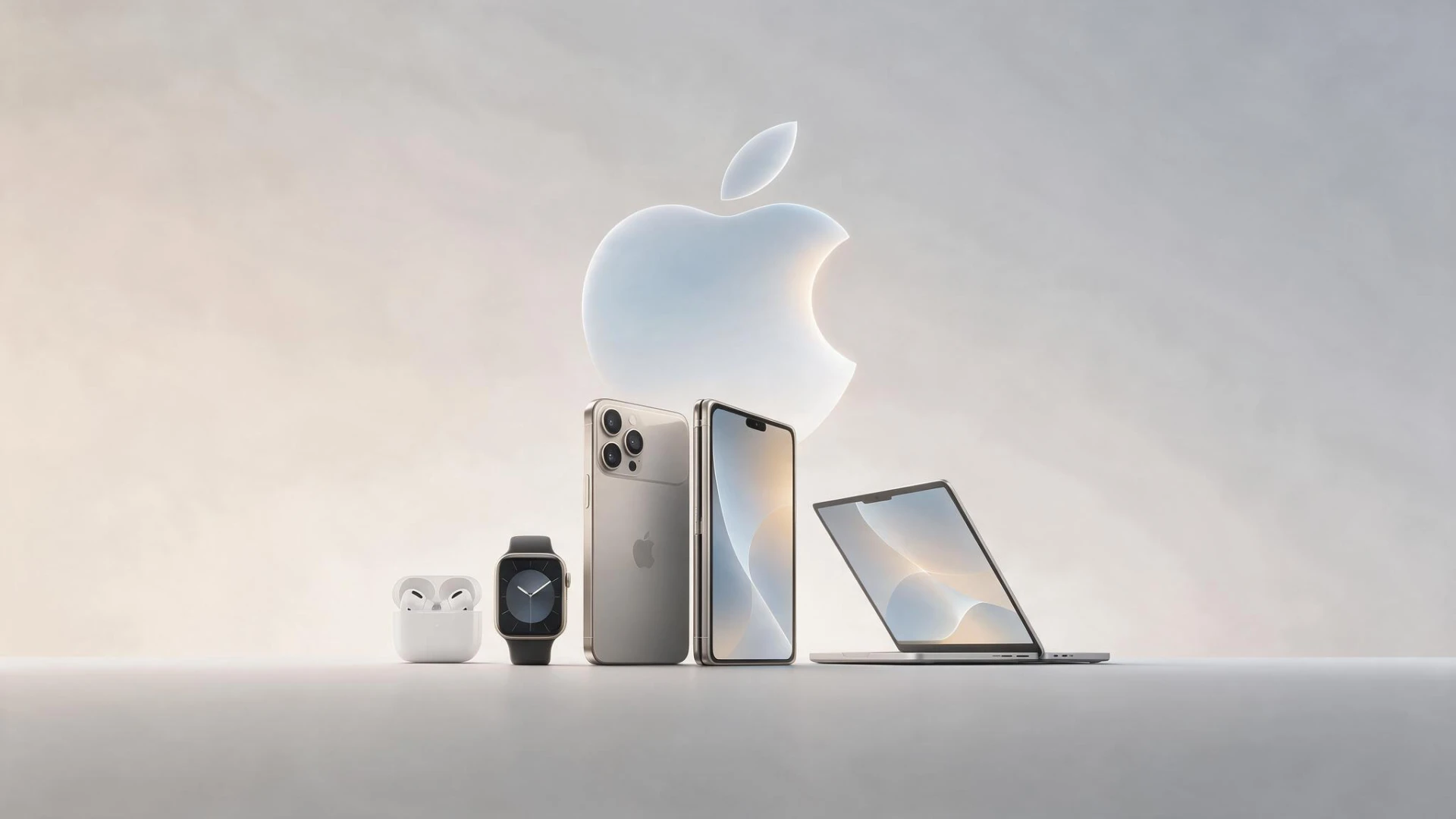
The announcement introduced the iPhone 18 Pro and iPhone 18 Pro Max, alongside its first foldable device, named the iPhone Duo. The company also refreshed its wearables lineup with the Apple Watch and a new generation of AirPods. But the specifications were secondary to the framing Apple applied around them.
The iPhone as an Intelligent Personal Hub
Apple’s narrative of smartphone was not AI capabilities layered on top, Apple framed the device as an intelligent personal hub, one that understands user context and adapts. This is a meaningful shift in language for an industry that has spent the past two years treating AI as an add-on feature rather than as foundation.
The practical expression of this shift is Siri AI, the evolved version of Apple’s assistant, which now operates as a contextual layer across the device rather than a standalone voice interface. For developer audiences watching Apple’s AI trajectory, this signals an intent to compete less on model benchmarks and more on integration depth.
On-Device Processing as the Trust Argument
The most consequential message from the event was not a feature announcement but a positioning statement: trust is built by running data on-device. Apple keeps user data local by default, giving individuals control over what is processed, stored, and shared.
This is a deliberate contrast to the AI models dominant across the industry. As regulators scrutinize where AI processing happens and who has access to the underlying data, Apple’s on-device approach functions as both a technical architecture and a market differentiation strategy. For B2B buyers evaluating AI vendors on data governance, this is the kind of positioning that will surface in procurement conversations well beyond the consumer space.
Credit: YouTube, Apple
Four Pillars, One Framework
Across every product announced, Apple applied a consistent evaluation framework: intelligence, performance, battery, and camera. This is notable because it treats AI intelligence as a product pillar alongside battery life and camera quality, rather than a separate marketing category. It suggests Apple’s internal roadmap now treats AI as infrastructure that must be optimized alongside, not bolted on afterward.
Positioning Around Creation and Communication
Apple tied its new launches to two use cases: helping people create and communicate. This framing was consistent across tannouncements, positioning AI as a functional layer that removes friction from everyday creative and communicative tasks.
What This Means for the AI Industry
Apple’s event offers a useful data point for how the AI industry’s biggest consumer hardware player is thinking about deployment strategy. On-device processing, context-awareness, and integration depth are being positioned as differentiators against competitors who have leaned into cloud-based, feature-forward AI rollouts.