As AI moves from software into the physical world, safety—not speed—is becoming the real bottleneck.
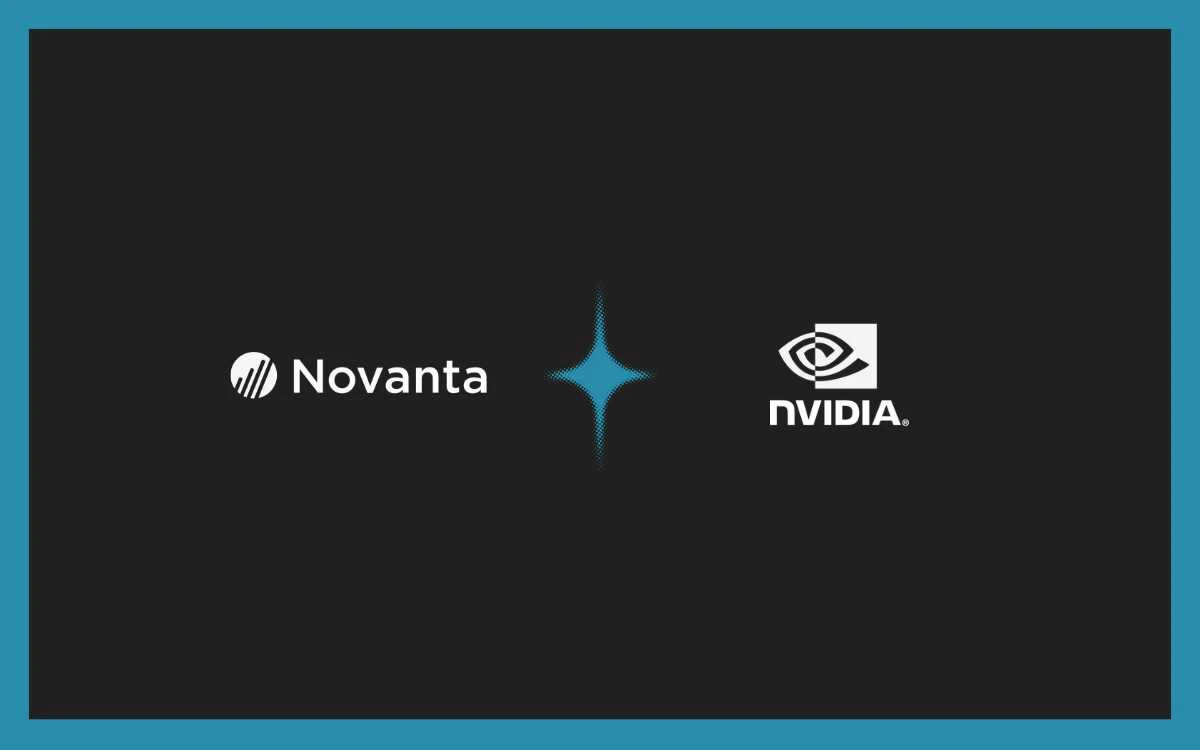
Novanta Inc. is the latest to address that challenge, announcing it has joined the NVIDIA Halos AI Systems Inspection Lab—a newly established, ANSI National Accreditation Board (ANAB)-accredited facility focused on validating AI-driven physical systems.
The goal: make it easier—and faster—for robotics companies to prove their systems are safe enough for real-world deployment.
Why AI Safety Certification Is Suddenly Urgent
For years, robotics and autonomous systems have been limited not just by technical capability, but by regulatory and safety hurdles.
That’s changing fast.
As “physical AI”—AI embedded in machines like robots, autonomous vehicles, and industrial systems—moves into production environments, companies need standardized ways to certify performance, safety, and interoperability.
Without that, scaling deployments becomes nearly impossible.
NVIDIA’s Halos lab is designed to fill that gap, offering a formal pathway for validating components and subsystems used in AI-powered machines.
What Novanta Brings to the Table
Novanta specializes in motion control, sensing, and precision technologies—the kind of hardware that determines whether a robot moves safely and accurately.
Through the partnership, the company will work with NVIDIA to validate how its components integrate with NVIDIA’s AI platforms, including NVIDIA IGX Thor.
That validation covers:
- Interoperability with AI systems
- Compliance with safety standards
- System-level performance in real-world conditions
For robotics OEMs, that could significantly reduce integration headaches—one of the biggest barriers to deploying complex AI systems at scale.
Inside NVIDIA’s Halos Framework
The Halos initiative goes beyond a testing lab.
It’s a full-stack safety system that combines:
- Hardware and software components
- AI models and validation tools
- Design principles for safe system architecture
The idea is to unify safety across the entire AI stack—from perception models to physical actuation.
That’s a shift from traditional approaches, where safety is often handled at the component level rather than across the entire system.
Faster Time-to-Market for Robotics OEMs
One of the clearest benefits of this collaboration is speed.
By pre-validating components like sensors and motion systems, OEMs can:
- Reduce integration complexity
- Shorten certification timelines
- Accelerate product launches
In industries like warehouse automation, manufacturing, and emerging humanoid robotics, that time advantage can be critical.
Companies aren’t just competing on innovation—they’re competing on how quickly they can bring safe, compliant systems to market.
A Push Toward Standardization
The partnership also reflects a broader industry push toward standardization in physical AI.
Unlike software, where updates can be pushed instantly, failures in physical systems can have real-world consequences. That makes consistent safety frameworks essential.
Organizations and vendors are increasingly aligning around shared standards to ensure interoperability across platforms.
Novanta’s participation positions it as a key supplier in that ecosystem—offering components that are not only high-performance, but pre-validated for use in leading AI architectures.
The Bigger Picture: Scaling Physical AI
The rise of physical AI is expanding beyond traditional robotics into areas like logistics, healthcare, and advanced manufacturing.
But scaling these systems requires more than better algorithms. It demands:
- Reliable hardware
- Verified interoperability
- Streamlined certification processes
That’s where initiatives like the Halos AI Systems Inspection Lab come in—bridging the gap between innovation and deployment.
The Bottom Line
Novanta’s move to join NVIDIA’s Halos lab underscores a key shift in AI: the focus is moving from capability to credibility.
As robotics and physical AI systems enter real-world environments, proving they are safe, reliable, and interoperable is becoming just as important as building them.
By aligning with NVIDIA’s safety ecosystem, Novanta is positioning itself—and its customers—to move faster in a market where trust is quickly becoming the ultimate differentiator.
Power Tomorrow’s Intelligence — Build It with TechEdgeAI